Clarifying the impact of interactions at the cropland- grassland interface on grassland biodiversity: A case study of the agropastoral ecotone in northern China
LYU Xin1, LI Xiaobing1,2,*(), DANG Dongliang1, WANG Kai1, ZHANG Chenhao1, LI Mengyuan1, LIU Siyu1, DU Yixuan1, CAO Wanyu1, SI Wanyi1
1State Key Laboratory of Earth Surface Processes and Disaster Risk Reduction, Faculty of Geographical Science, Beijing Normal University, Beijing 100875, China 2School of Geography and Tourism, Shaanxi Normal University, Xi'an 710119, China
The frequent conversion between cropland and grassland in agropastoral ecotones poses severe challenges to the protection of grassland biodiversity, and a systematic understanding of the relationship between these two aspects is urgently needed. In this study, the West Liaohe River Basin, which is a typical agropastoral ecotone in northern China, was chosen as an example. Using the field investigation data from 2023 and 2024, we calculated various biodiversity indices at both α and β scales for grassland vegetation and soil bacteria, and then analyzed the effects of the interactions at the cropland-grassland interface on grassland above-ground biodiversity, below-ground biodiversity, and their interrelationships. Moreover, we explored the driving factors of grassland biodiversity at the cropland-grassland interface. Notably, interactions at the cropland-grassland interface adversely affected grassland above- and below-ground biodiversity. Compared with the sampling points that were farther from the cropland-grassland interface (25 and 50 m), the sampling points located very close to the interface (5 and 10 m) had a decrease in species richness of more than 5.00%. This effect was jointly determined by various vegetation and soil attribute indicators and the regional environment. The litter and soil organic carbon played a prominent role in modulating the relationships between grassland above- and below-ground biodiversity at the cropland-grassland interface. The results suggested that intensive management of cropland and grassland should be enhanced in areas where agriculture and animal husbandry alternate, the disorderly reclamation and random abandonment of cropland should be prohibited, and the policy of returning cropland to grassland should be promoted systematically. These findings could provide reference data for related studies and promote the protection of grassland biodiversity in agropastoral ecotones.
Conceptualization: LYU Xin; Methodology: LYU Xin; Formal analysis: LYU Xin, DANG Dongliang; Investigation and data curation: LYU Xin, DANG Dongliang, WANG Kai, ZHANG Chenhao, LI Mengyuan, LIU Siyu, DU Yixuan, CAO Wanyu; Writing - original draft preparation: LYU Xin, DANG Dongliang, SI Wanyi; Writing - review and editing: LYU Xin, LI Xiaobing; Funding acquisition: LYU Xin, LI Xiaobing; Resources: LI Xiaobing; Supervision: LI Xiaobing. All authors approved the manuscript.
LYU Xin, LI Xiaobing, DANG Dongliang, WANG Kai, ZHANG Chenhao, LI Mengyuan, LIU Siyu, DU Yixuan, CAO Wanyu, SI Wanyi. Clarifying the impact of interactions at the cropland- grassland interface on grassland biodiversity: A case study of the agropastoral ecotone in northern China. Journal of Arid Land, 2026, 18(7): 1099-1114.
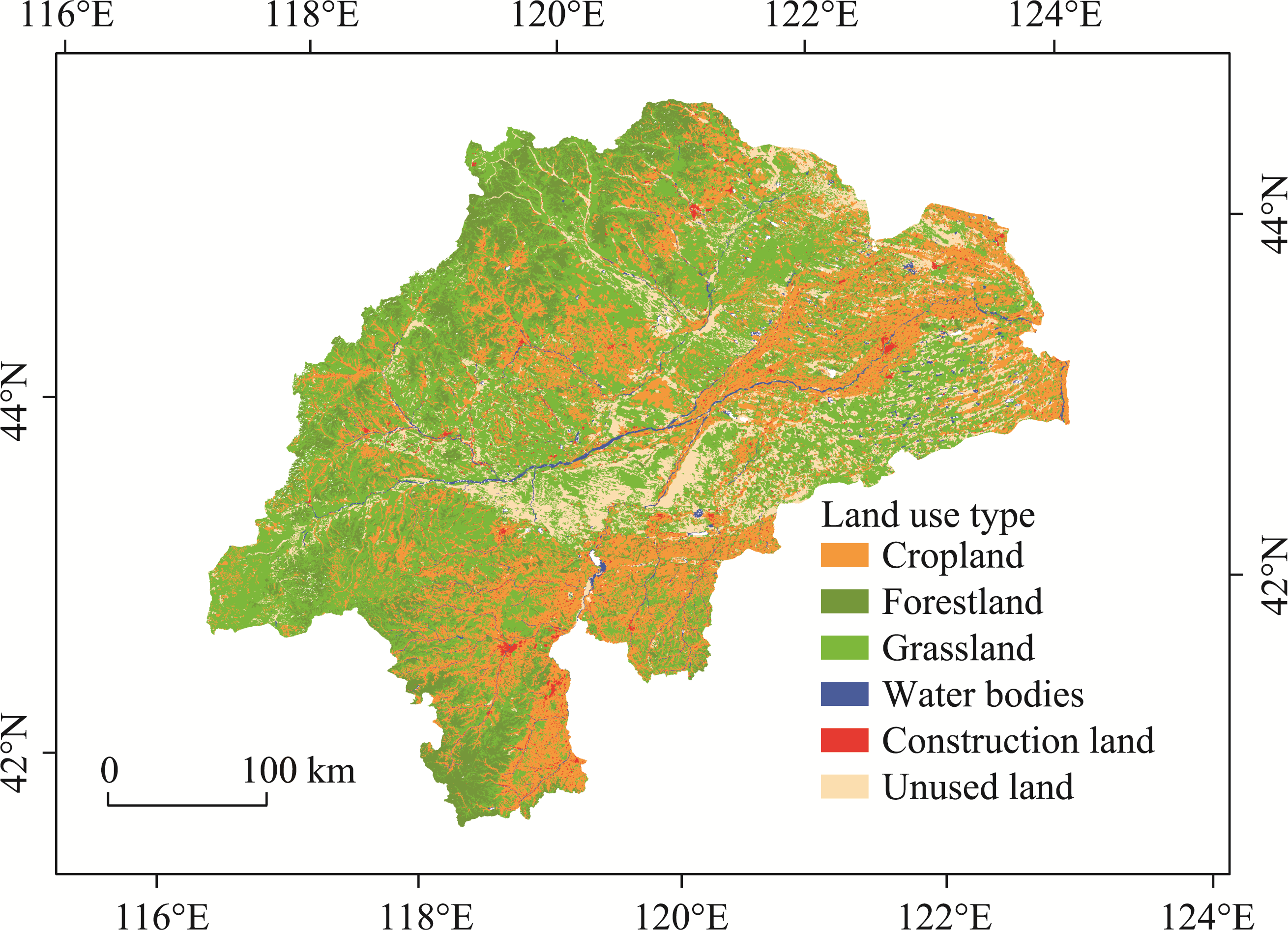
Fig. 1Overview of the West Liaohe River Basin and land use types in 2020. The land use data were sourced from the Resource and Environmental Science Data Platform (https://www.resdc.cn/).
Fig. 2Distribution of the sampling plots (a) for vegetation and soil survey in 2023 and 2024 and the arrangement of sampling points (b), as well as a field work photo of the cropland-grassland interface (c)
Survey subject
Diversity type
Index
Vegetation
Species α-diversity
Shannon-Wiener index (Shannon index) and Pielou's evenness index (Pielou index)
Functional α-diversity
Functional dispersion (FDis) and Rao's quadratic entropy (FDQ)
Species β-diversity
Bray-Curtis dissimilarity and Jaccard distance
Soil bacteria
Species α-diversity
Shannon index and Simpson's diversity index (Simpson index)
Species β-diversity
Bray-Curtis dissimilarity
Table 1 Biodiversity indices in this study
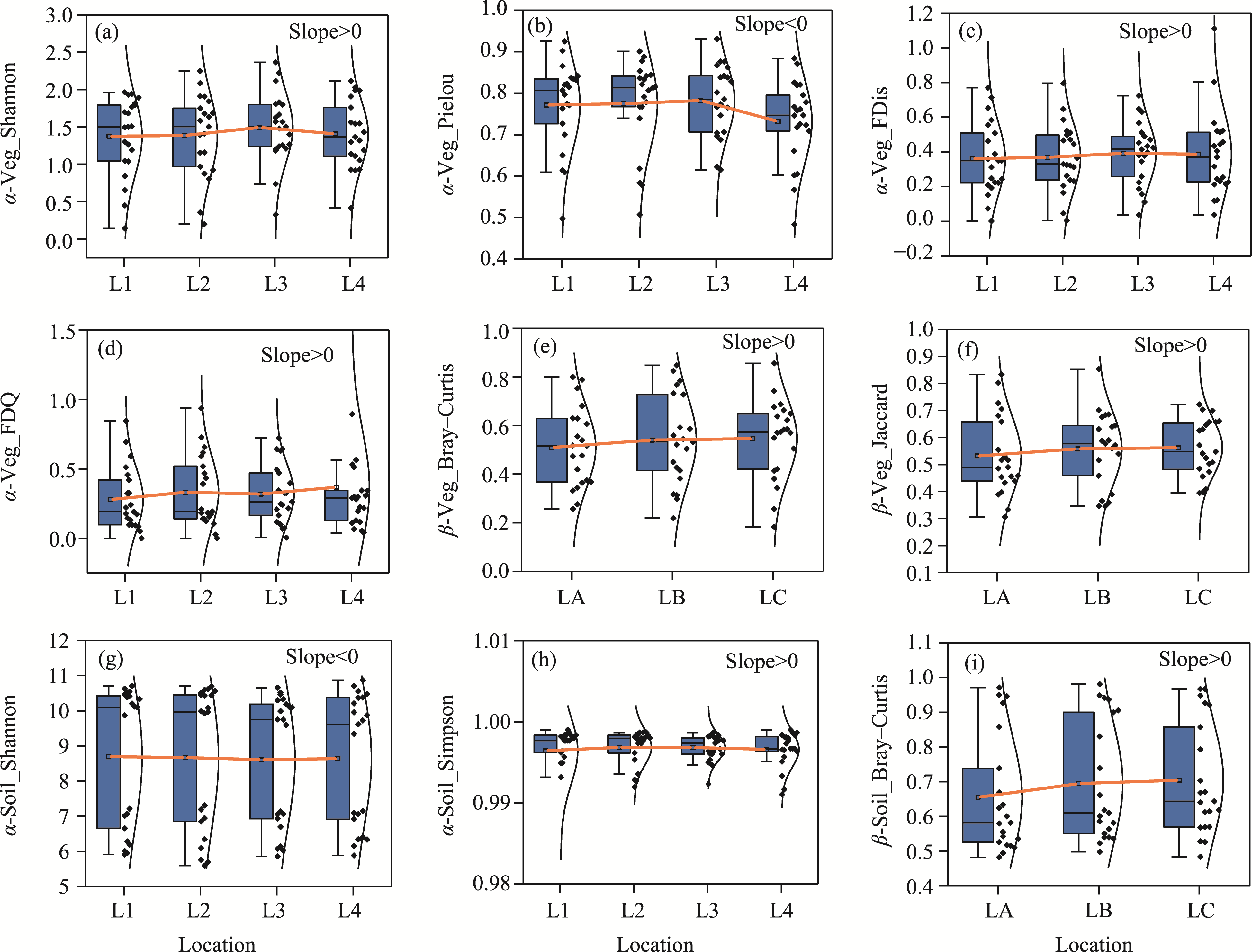
Fig. 3Variations in biodiversity indices of grassland vegetation (a-f) and soil bacteria (g-i) along a distance gradient from the cropland-grassland interface to grassland. Veg_Shannon, vegetation Shannon-Wiener index; Veg_Pielou, vegetation Pielou's evenness index; Veg_FDis, vegetation functional dispersion; Veg_FDQ, Rao's quadratic entropy; Veg_Bray-Curtis, vegetation Bray-Curtis dissimilarity; Veg_Jaccard, vegetation Jaccard distance; Soil_Shannon, soil Shannon-Wiener index; Soil_Simpson, soil Simpson's diversity index; Soil_Bray, soil Bray-Curtis dissimilarity. For α-diversity, L1, L2, L3, and L4 denote the analyses of sampling points located 5, 10, 25, and 50 m from the cropland-grassland interface, respectively. For β-diversity, LA, LB, and LC denote comparisons of sampling points located 5 and 10, 10 and 25, and 25 and 50 m from the cropland-grassland interface, respectively. The boxes indicate the IQR (interquartile range, 25th to 75th percentiles); lines within the boxes indicate the median (50th percentile); squares within the boxes indicate the mean. Whiskers extend to the most extreme values within 1.5×IQR. The data distribution is represented by black diamonds and normal fit curves. Slope indicates the trend in mean values: positive for an increase, negative for a decrease.
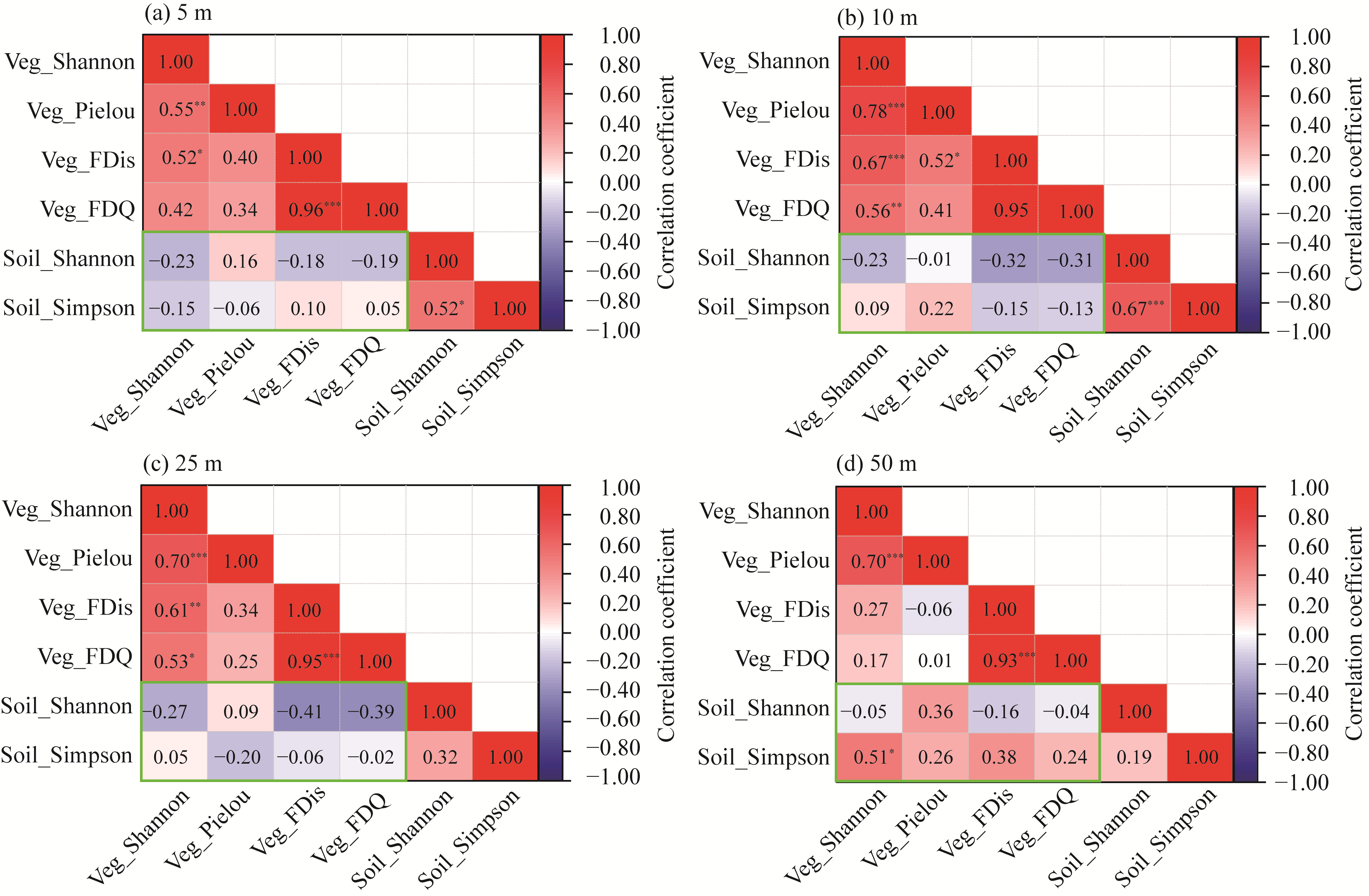
Fig. 4Variations in the correlation between different biodiversity indices at the α scale along a distance gradient of 5 m (a), 10 m (b), 25 m (c), and 50 m (d) from the cropland-grassland interface to grassland. The correlation between the above- and below-ground biodiversity indices can be found within the green border. *, P<0.050 level; **, P<0.010 level; ***, P<0.001 level.
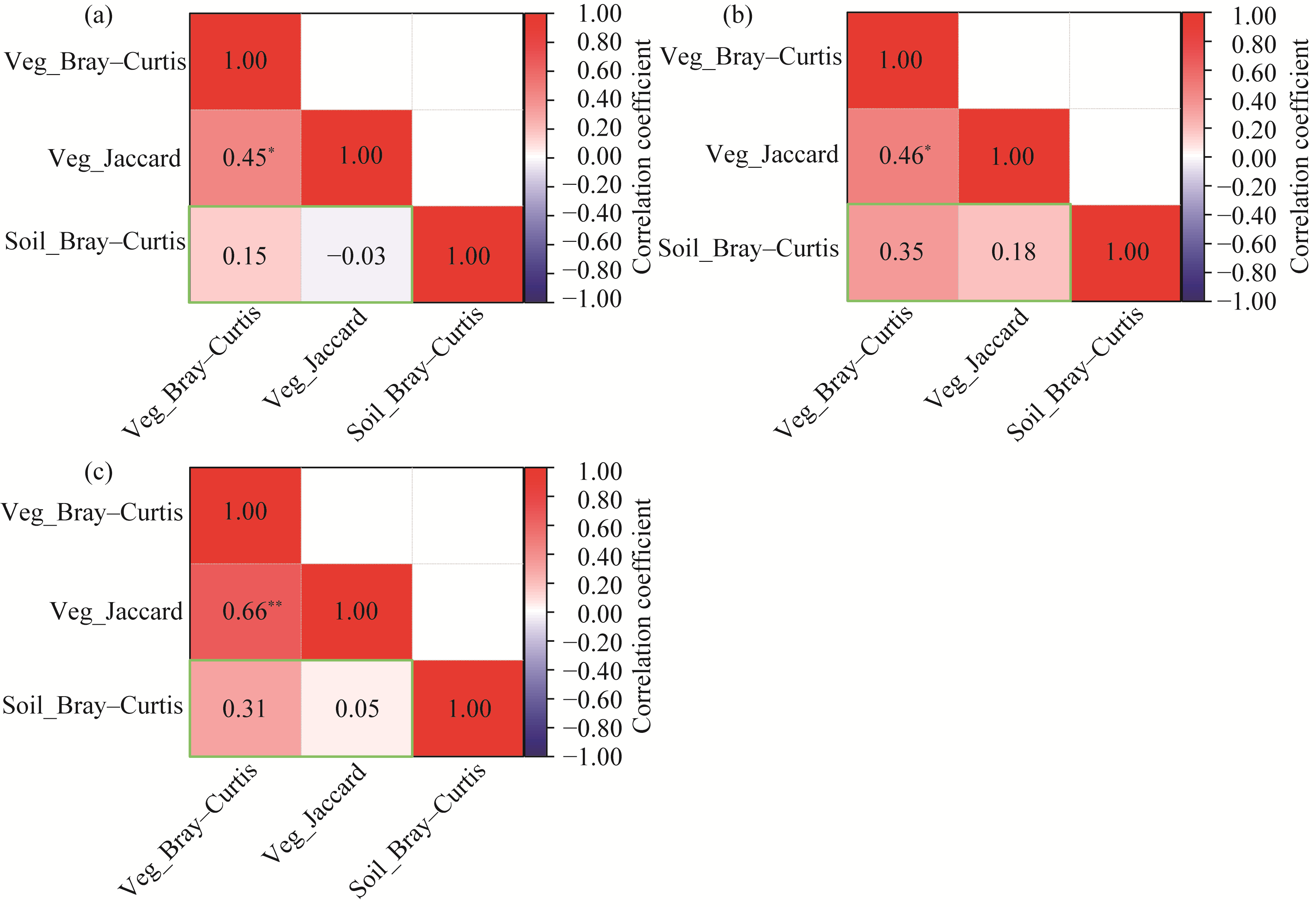
Fig. 5Variations in the correlation between different biodiversity indices at the β scale between sampling points located 5 and 10 m (a), 10 and 25 m (b), and 25 and 50 m (c) from the cropland-grassland interface. The correlation between the above- and below-ground biodiversity indices can be found within the green border. *, P<0.050 level; **, P<0.010 level.
Scale
Index
Factor
Coefficient
P value
α
Veg_Shannon
SMC
-3.235*
0.018
SOC
0.039*
0.046
Veg_Pielou
FVC
-0.165*
0.031
SMC
-0.606*
0.027
Veg_FDis
Litter
0.002*
0.014
SOC
0.024**
0.002
Veg_FDQ
Litter
0.003**
0.002
SOC
0.040***
0.000
Soil_Shannon
AGB
-0.005**
0.003
Litter
-0.030***
0.000
SBD
3.536*
0.022
SOC
0.136**
0.009
Soil_Simpson
Litter
-0.000**
0.001
SOC
0.000*
0.020
β
Veg_Bray-Curtis
Litter
0.002*
0.038
Veg_Jaccard
Litter
0.001*
0.029
SBD
-0.386*
0.036
Soil_Bray-Curtis
Litter
0.004***
0.000
SBD
-0.409*
0.021
SOC
-0.022***
0.000
Table 2 Effects of environmental factors on grassland biodiversity at the plot scale
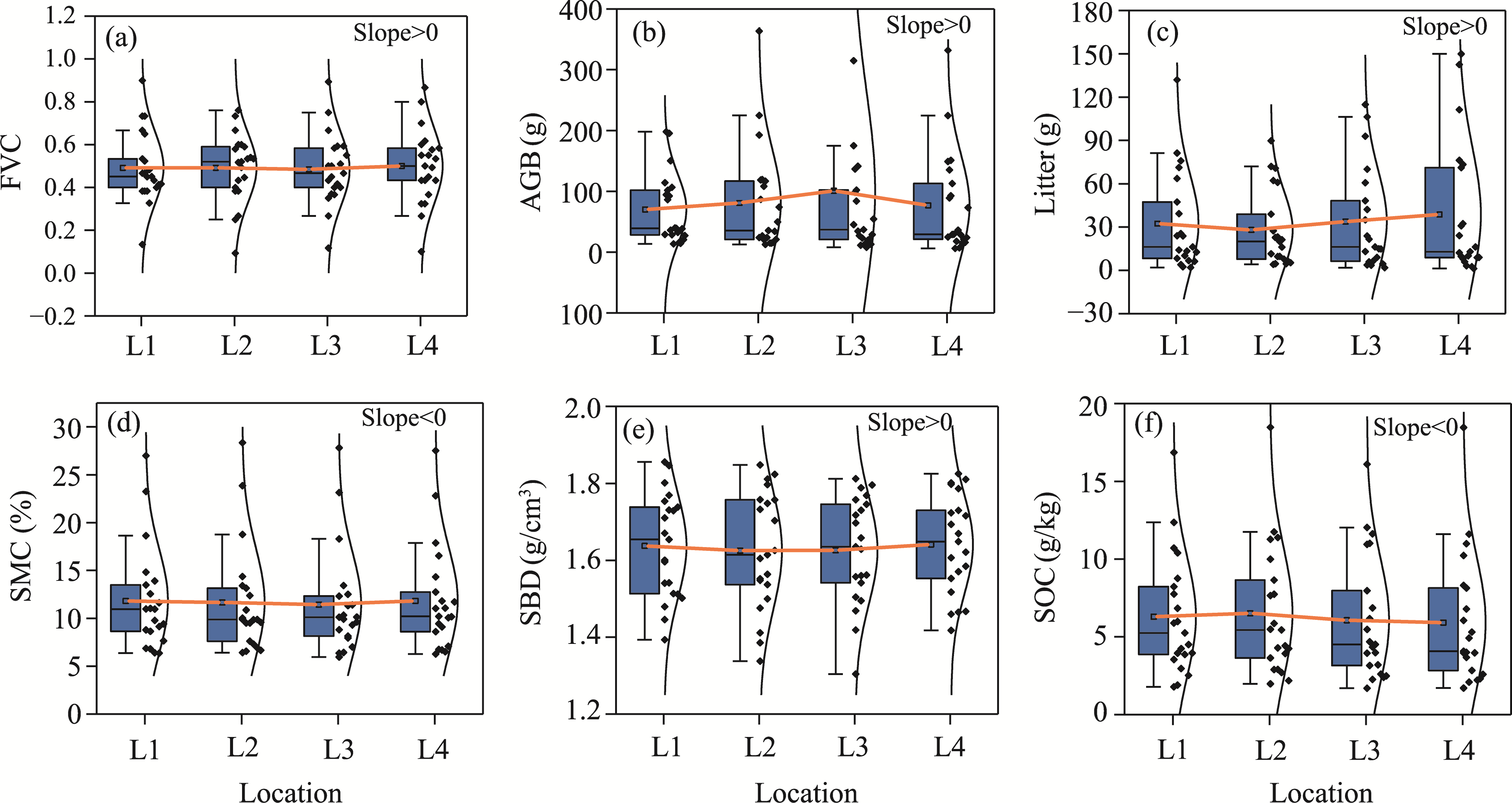
Fig. S1Variations in vegetation and soil properties along a distance gradient from the cropland-grassland interface to grassland. (a), fractional vegetation cover (FVC); (b), above-ground biomass (AGB); (c), litter; (d), soil moisture content (SMC); (e), soil bulk density (SBD); (f), soil organic carbon (SOC). L1, L2, L3, and L4 denote sampling points located 5, 10, 25, and 50 m from the farmland-grassland interface, respectively. The boxes indicate the IQR (interquartile range, 25th to 75th percentiles); lines within the boxes indicate the median (50th percentile); squares within the boxes indicate the mean. Whiskers extend to the most extreme values within 1.5×IQR. The data distribution is represented by black diamonds and normal fit curves. Slope indicates the trend in mean values: positive for an increase and negative for a decrease.
Scale
Index
Tem
Pre
AI
DEM
DNR
DNS
GP
GRP
PD
α
Veg_Shannon
-0.52*
-0.61**
-0.59**
0.39
-0.09
-0.14
-0.37
-0.34
0.13
Veg_Pielou
-0.53*
-0.54*
-0.54*
0.47*
0.03
0.15
-0.26
-0.08
-0.01
Veg_FDis
-0.31
-0.59**
-0.59**
0.47*
-0.34
-0.36
-0.41
-0.13
0.12
Veg_FDQ
-0.18
-0.47*
-0.47*
0.36
-0.18
-0.35
-0.33
-0.11
0.09
Soil_Shannon
0.36
0.06
0.03
0.00
0.17
0.45*
-0.00
0.13
-0.55**
Soil_Simpson
0.19
-0.16
-0.19
0.12
-0.26
-0.07
-0.20
-0.04
-0.25
β
Veg_Bray-Curtis
-0.42
-0.42
-0.42
0.19
-0.21
0.27
0.06
0.16
-0.08
Veg_Jaccard
-0.27
-0.49*
-0.46*
0.33
-0.09
0.39
-0.30
-0.38
-0.17
Soil_Bray-Curtis
-0.61**
-0.21
-0.19
0.21
-0.04
-0.17
0.03
-0.03
0.42
Table 3 Effects of environmental factors on grassland biodiversity at the regional scale
[1]
Bai J K, Long C Y, Quan X, et al. 2024. Reverse diversity-biomass patterns in grasslands are constrained by climates and stoichiometry along an elevational gradient. Science of The Total Environment, 917: 170416, doi: 10.1016/j.scitotenv.2024.170416.
[2]
Bhat I A, Fayaz M, Roof-Ul-Qadir, et al. 2023. Predicting potential distribution and range dynamics of Aquilegia fragrans under climate change: Insights from ensemble species distribution modelling. Environmental Monitoring and Assessment, 195(5): 623, doi: 10.1007/s10661-023-11245-2.
[3]
Borer E T, Seabloom E W, Gruner D S, et al. 2014. Herbivores and nutrients control grassland plant diversity via light limitation. Nature, 508: 517-520.
doi: 10.1038/nature13144
[4]
Botta-Dukát Z. 2005. Rao's quadratic entropy as a measure of functional diversity based on multiple traits. Journal of Vegetation Science, 16(5): 533-540.
doi: 10.1111/jvs.2005.16.issue-5
[5]
Bureau of Statistics of Chifeng City.2011-2021.Chifeng Statistical Yearbook. Beijing: China Statistics Press. (in Chinese)
[6]
Bureau of Statistics of Tongliao City.2011-2021. Tongliao Statistical Yearbook. Beijing: China Statistics Press. (in Chinese)
[7]
Braschler B, Oggier P, Baur B. 2022. Subtle effects of experimental grassland fragmentation on density, species composition and functional dispersion of gastropods. Diversity, 14(6): 474, doi: 10.3390/d14060474.
[8]
Chen D L, Zhang B, Fadda C, et al. 2021. Spontaneous grassland recovery on abandoned croplands in northern China: Different vegetation patterns in desert and typical steppe. Science of The Total Environment, 790: 148155, doi: 10.1016/j.scitotenv.2021.148155.
[9]
Du Y, Yang Y, Wu S N, et al. 2025. Core microbes regulate plant-soil resilience by maintaining network resilience during long-term restoration of alpine grasslands. Nature Communications, 16: 3116, doi: 10.1038/s41467-025-58080-2.
[10]
Felipe-Lucia M R, Soliveres S, Penone C, et al. 2020. Land-use intensity alters networks between biodiversity, ecosystem functions, and services. Proceedings of the National Academy of Sciences of the United States of America, 117(45): 28140-28149.
[11]
Guo J X, Li J S, Liu K S, et al. 2018. Analysis of soil microbial dynamics at a cropland-grassland interface in an agro-pastoral zone in a temperate steppe in northern China. CATENA, 170: 257-265.
doi: 10.1016/j.catena.2018.06.019
[12]
Guo Y Q, Xu T Q, Cheng J M, et al. 2021. Above- and belowground biodiversity drives soil multifunctionality along a long-term grassland restoration chronosequence. Science of The Total Environment, 772: 145010, doi: 10.1016/j.scitotenv.2021.145010.
[13]
Huang X M, Lu X R, Zhou G Y, et al. 2022. How land-use change affects soil respiration in an alpine agro-pastoral ecotone. CATENA, 214: 106291, doi: 10.1016/j.catena.2022.106291.
[14]
Jia J Y, Zhang J Z, Li Y Z, et al. 2023. Relationships between soil biodiversity and multifunctionality in croplands depend on salinity and organic matter. Geoderma, 429: 116273, doi: 10.1016/j.geoderma.2022.116273.
[15]
Jian X Y, Li L, Wang Z X, et al. 2025. Effects of landscape edge heterogeneity on biodiversity in grassland restoration context. Journal of Environmental Management, 376: 124508, doi: 10.1016/j.jenvman.2025.124508.
[16]
Kharouba H M, Williams J L. 2024. Forecasting species' responses to climate change using space-for-time substitution. Trends in Ecology & Evolution, 39(8): 716-725.
doi: 10.1016/j.tree.2024.03.009
[17]
Laliberté E, Legendre P. 2010. A distance-based framework for measuring functional diversity from multiple traits. Ecology, 91(1): 299-305.
pmid: 20380219
[18]
Li C J, Fu B J, Wang S, et al. 2021. Drivers and impacts of changes in China's drylands. Nature Reviews Earth & Environment, 2: 858-873.
[19]
Liang M W, Liang C Z, Hautier Y, et al. 2021. Grazing-induced biodiversity loss impairs grassland ecosystem stability at multiple scales. Ecology Letters, 24(10): 2054-2064.
doi: 10.1111/ele.v24.10
[20]
Liu M X, Xiao Y D, Shi J Y, et al. 2025a. Precipitation alters the relationship between biodiversity and multifunctionality of grassland ecosystems. Journal of Environmental Management, 377: 124707, doi: 10.1016/j.jenvman.2025.124707.
[21]
Liu Y Z, Zhang M L, Zhao Y Y, et al. 2025b. Effect of environmental factors on grassland biodiversity and biomass in the Zhangye Region. Agronomy, 15(2): 476, doi: 10.3390/agronomy15020476.
[22]
Lyu X, Li X B, Wang K, et al. 2022. Linking regional sustainable development goals with ecosystem services to identify ecological security patterns. Land Degradation & Development, 33(18): 3841-3854.
doi: 10.1002/ldr.v33.18
[23]
Lyu X, Li X B, Dang D L, et al. 2024. Systematic review of remote sensing technology for grassland biodiversity monitoring: Current status and challenges. Global Ecology and Conservation, 54: e03196, doi: 10.1016/j.gecco.2024.e03196.
[24]
Meier E S, Lüscher G, Knop E. 2022. Disentangling direct and indirect drivers of farmland biodiversity at landscape scale. Ecology Letters, 25(11): 2422-2434.
doi: 10.1111/ele.14104
pmid: 36134709
[25]
Newbold T, Hudson L N, Hill S L L, et al. 2015. Global effects of land use on local terrestrial biodiversity. Nature, 520: 45-50.
doi: 10.1038/nature14324
[26]
Peng T T, Hao H J, Guan X, et al. 2025. High-throughput sequencing unveils microbial succession patterns in restored Hulun Buir Sandy Land, northern China. Journal of Arid Land, 17(9): 1297-1313.
doi: 10.1007/s40333-025-0026-6
[27]
Powers R P, Jetz W. 2019. Global habitat loss and extinction risk of terrestrial vertebrates under future land-use-change scenarios. Nature Climate Change, 9: 323-329.
doi: 10.1038/s41558-019-0406-z
[28]
Qi X X, Hu Z K, Li X P, et al. 2025a. Land-use driven changes in elemental stoichiometry decouple the positive soil biodiversity-stability relationship. Soil Biology and Biochemistry, 209: 109907, doi: 10.1016/j.soilbio.2025.109907.
[29]
Qi T Y, Degen A, Wang W Y, et al. 2025b. Environmental factors and soil properties that drive the distribution and diversity patterns of weeds and ecosystem multifunctionality in alpine grassland. Biological Conservation, 305: 111103, doi: 10.1016/j.biocon.2025.111103.
[30]
Radujković D, Portillo-Estrada M, Hendrickx B, et al. 2025. Soil biodiversity and ecosystem functions in grasslands: Is more always better? Soil Biology and Biochemistry, 211: 109988, doi: 10.1016/j.soilbio.2025.109988.
[31]
Ricotta C, Pavoine S. 2022. A new parametric measure of functional dissimilarity: Bridging the gap between the Bray-Curtis dissimilarity and the Euclidean distance. Ecological Modelling, 466: 109880, doi: 10.1016/j.ecolmodel.2022.109880.
[32]
Shangguan Z J, Jing X, Wang H, et al. 2024. Plant biodiversity responds more strongly to climate warming and anthropogenic activities than microbial biodiversity in the Qinghai-Tibetan alpine grasslands. Journal of Ecology, 112(1): 110-125.
doi: 10.1111/jec.v112.1
[33]
Soliveres S, van der Plas F, Manning P, et al. 2016. Biodiversity at multiple trophic levels is needed for ecosystem multifunctionality. Nature, 536: 456-459.
doi: 10.1038/nature19092
[34]
Song M H, Tian Y Q, Li Y K, et al. 2024. Loss of taxonomic and functional diversity and decrease in primary productivity with nitrogen enrichment after a long-term release from grazing in an alpine grassland. Science of The Total Environment, 957: 177570, doi: 10.1016/j.scitotenv.2024.177570.
[35]
Su N, Jarvie S, Yan Y Z, et al. 2022. Landscape context determines soil fungal diversity in a fragmented habitat. CATENA, 213: 106163, doi: 10.1016/j.catena.2022.106163.
[36]
Thiele J, Schirmel J, Buchholz S. 2018. Effectiveness of corridors varies among phytosociological plant groups and dispersal syndromes. PLoS ONE, 13(7): e0199980, doi: 10.1371/journal.pone.0199980.
[37]
Tian Y Y, Jiang G H, Wu S D, et al. 2023. Cropland-grassland use conversions in the agro-pastoral areas of the Tibetan Plateau: Spatiotemporal pattern and driving mechanisms. Ecological Indicators, 146: 109819, doi: 10.1016/j.ecolind.2022.109819.
[38]
Tong S, Cao G C, Zhang Z, et al. 2023. Soil microbial community diversity and distribution characteristics under three vegetation types in the Qilian Mountains, China. Journal of Arid Land, 15(3): 359-376.
doi: 10.1007/s40333-023-0006-7
[39]
Van Der Heijden M G A, Bardgett R D, Van Straalen N M. 2008. The unseen majority: soil microbes as drivers of plant diversity and productivity in terrestrial ecosystems. Ecology Letters, 11(3): 296-310.
doi: 10.1111/j.1461-0248.2007.01139.x
pmid: 18047587
[40]
van Eekeren N, Dekker J, Geerts R, et al. 2025. Disturbance from tillage is a dominant factor in explaining differences in soil biodiversity of three grasslands management types. Applied Soil Ecology, 206: 105881, doi: 10.1016/j.apsoil.2025.105881.
[41]
Wang X Y, Li F Y, Tang K Y, et al. 2020. Land use alters relationships of grassland productivity with plant and arthropod diversity in Inner Mongolian grassland. Ecological Applications, 30(3): e02052, doi: 10.1002/eap.2052.
[42]
Wang Y, Wang J M, Chen C, et al. 2019. Grazing plays an important role in structuring alpha and beta components of taxonomic, functional, and phylogenetic diversity in semiarid sandy land of northern China. Global Ecology and Conservation, 20: e00790, doi: 10.1016/j.gecco.2019.e00790.
[43]
Xu A A, Liu J, Guo Z Y, et al. 2021. Soil microbial community composition but not diversity is affected by land-use types in the agro-pastoral ecotone undergoing frequent conversions between cropland and grassland. Geoderma, 401: 115165, doi: 10.1016/j.geoderma.2021.115165.
[44]
Yan Y Z, Jarvie S, Zhang Q, et al. 2023. Habitat heterogeneity determines species richness on small habitat islands in a fragmented landscape. Journal of Biogeography, 50(5): 976-986.
doi: 10.1111/jbi.v50.5
[45]
Yang M X, Chen A, Cao W Q, et al. 2024. Spatial and temporal patterns of grassland species diversity and their driving factors in the Three Rivers Headwater Region of China from 2000 to 2021. Remote Sensing, 16(21): 4005, doi: 10.3390/rs16214005.
[46]
Ye H, Hong M, Xu X H, et al. 2024. Responses of plant diversity and soil microorganism diversity to nitrogen addition in the desert steppe, China. Journal of Arid Land, 16(3): 447-459.
doi: 10.1007/s40333-024-0008-0
[47]
Yu J W, Yan Y Z, Wang G W, et al. 2024. Habitat fragmentation reduced plant functional diversity in the agro-pastoral ecotone of Inner Mongolia. Ecological Indicators, 169: 112975, doi: 10.1016/j.ecolind.2024.112975.
[48]
Zhang J, Guo X Q, Shan Y J, et al. 2024. Effects of land-use patterns on soil microbial diversity and composition in the Loess Plateau, China. Journal of Arid Land, 16(3): 415-430.
doi: 10.1007/s40333-024-0007-1
[49]
Zhang M N, Delgado-Baquerizo M, Li G Y, et al. 2023. Experimental impacts of grazing on grassland biodiversity and function are explained by aridity. Nature Communications, 14: 5040, doi: 10.1038/s41467-023-40809-6.
pmid: 37598205
[50]
Zhang R Y, Wang J S, Niu S L. 2021. Toward a sustainable grazing management based on biodiversity and ecosystem multifunctionality in drylands. Current Opinion in Environmental Sustainability, 48: 36-43.
doi: 10.1016/j.cosust.2020.09.005
[51]
Zhao J Q, Yu L, Newbold T, et al. 2024. Biodiversity responses to agricultural practices in cropland and natural habitats. Science of The Total Environment, 922: 171296, doi: 10.1016/j.scitotenv.2024.171296.
[52]
Zheng J H, Zhang F, Zhang B, et al. 2023. Biodiversity and soil pH regulate the recovery of ecosystem multifunctionality during secondary succession of abandoned croplands in northern China. Journal of Environmental Management, 327: 116882, doi: 10.1016/j.jenvman.2022.116882.