Rapid depletion of soil organic carbon stock threatens agricultural sustainability in Iran
Mehdi NOURZADEH HADAD1,*(), Jose Antonio RODRIGUEZ MARTIN2, Akbar HASSANI3
1Nuclear Agriculture Research School, Nuclear Science and Technology Research Institute (NSTRI), Karaj 3148643111, Iran 2Department of the Environment, National Institute for Agricultural and Food Research and Technology (INIA-CSIC), Madrid 28040, Spain 3Soil Science Department, University of Zanjan, Zanjan 45371-38791, Iran
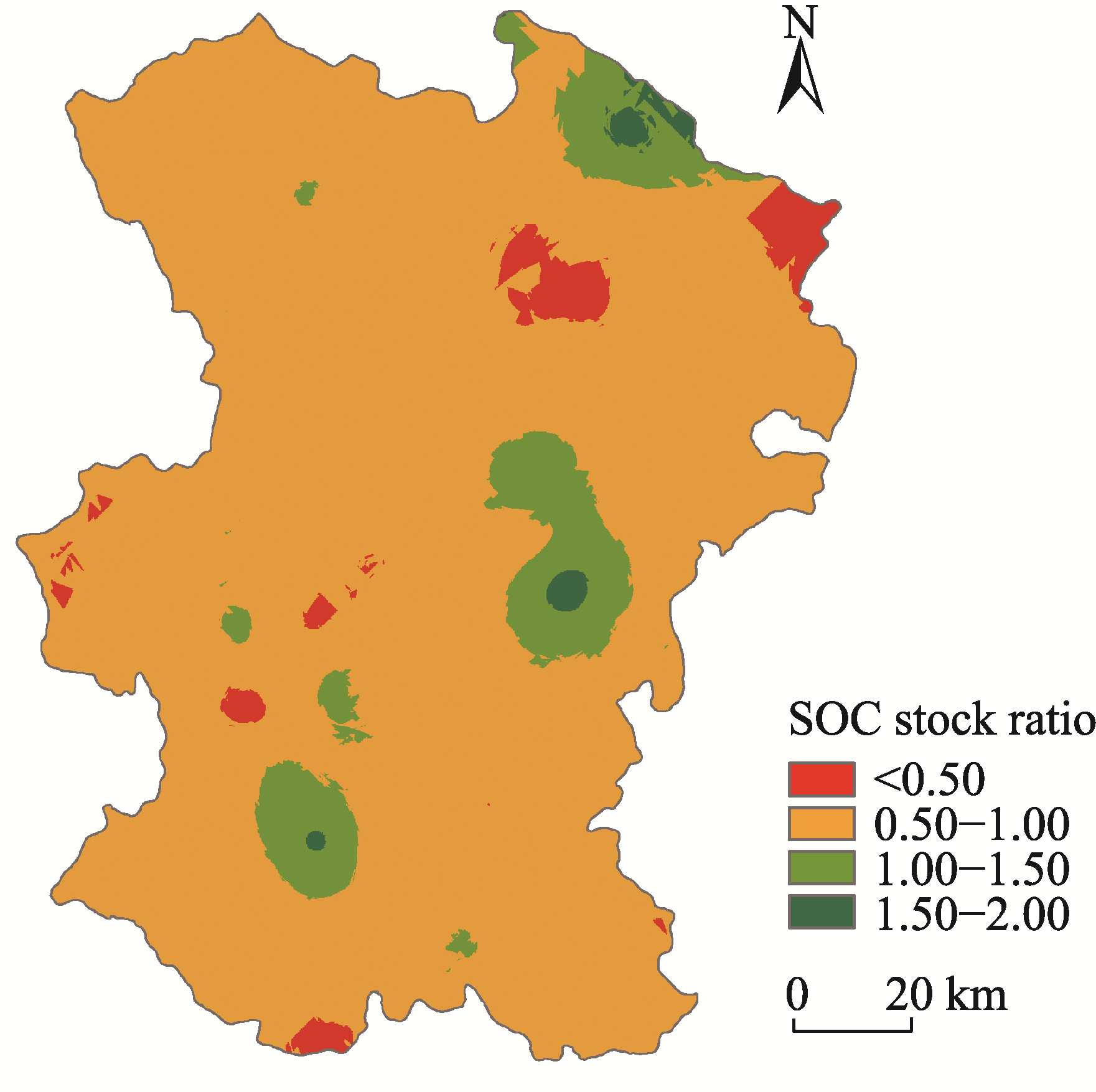
Soil organic carbon (SOC) stocks play a critical role in maintaining soil fertility, regulating biogeochemical cycles, and mitigating climate change, yet they are increasingly threatened in semi-arid agricultural regions. This study quantified spatiotemporal changes in SOC concentration and stocks across Hamadan Province, western Iran, over a 16-a period (2010-2025), a region that has undergone rapid agricultural intensification. A total of 212 soil samples were collected from the same georeferenced locations during both sampling campaigns, targeting the 0-30 cm soil layer. SOC concentration was determined using standardized laboratory methods, and SOC stock was calculated by integrating SOC concentration, bulk density, soil depth, and coarse fragment content. Geostatistical analyses, including experimental semivariograms and Ordinary Kriging, were applied to characterize spatial variability and to generate continuous maps of SOC concentration and SOC stock for both years (2010 and 2025). Results indicated a marked decline in mean SOC concentration, from 0.99% in 2010 to 0.85% in 2025. Correspondingly, mean SOC stock decreased from 126.48 to 84.45 Mg C/hm2, representing a reduction of 33.23% and a total carbon loss of approximately 4.59 Tg C from agricultural topsoil across the province. Spatial analysis revealed increased micro-scale variability and extended spatial dependence over time, reflecting increasingly heterogeneous management effects superimposed on broader landscape controls. Severe SOC stock depletion (SOC stock ratio (the ratio of SOC stock in 2025 to that in 2010) <0.50) occurred as scattered patches across the province, while moderate declines (0.50-1.00) dominated most agricultural areas, and some northern and southern zones showed comparatively greater stability or localized carbon gains. This study provides the first long-term, spatially explicit assessment of SOC stock dynamics in western Iran, demonstrating rapid carbon depletion driven by intensive cultivation under semi-arid conditions. The findings highlight the urgent need for soil conservation and carbon-preserving management practices to sustain soil health, agricultural productivity, and climate mitigation potential in dryland farming systems.
Received: 30 December 2025
Published: 31 July 2026
Mehdi NOURZADEH HADAD: conceptualization, investigation, resources, funding acquisition, supervision, and writing - original draft preparation; Jose Antonio RODRIGUEZ MARTIN: conceptualization, investigation, methodology, formal analysis, validation, and writing - review and editing; Akbar HASSANI: investigation, supervision, funding acquisition, data curation, and writing - original draft preparation. All authors approved the manuscript.
Mehdi NOURZADEH HADAD, Jose Antonio RODRIGUEZ MARTIN, Akbar HASSANI. Rapid depletion of soil organic carbon stock threatens agricultural sustainability in Iran. Journal of Arid Land, 2026, 18(7): 1179-1191.
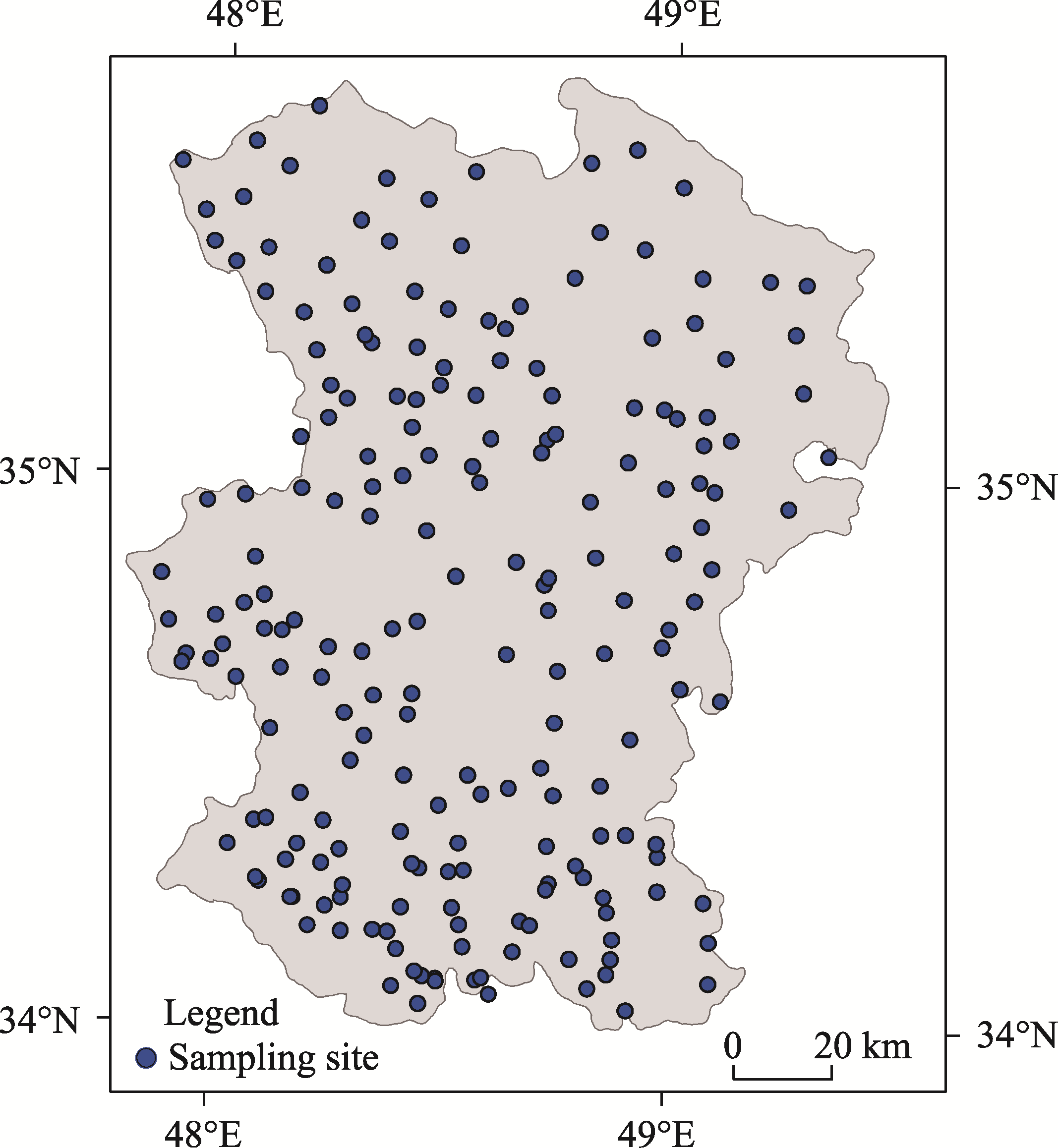
Fig. 1Spatial distribution of soil sampling sites across administrative agricultural lands in Hamadan Province
Soil property
Year
Mean
Median
Minimum
Maximum
SD
BD (g/cm3)
2010
1.42
1.41
1.12
1.68
0.11
2025
1.48
1.47
1.18
1.75
0.12
SOC concentration (%)
2010
0.99
0.92
0.02
3.40
0.50
2025
0.85
0.79
0.00
3.31
0.50
Sand (%)
2010
33.50
32.00
17.00
76.00
13.80
2025
33.66
32.00
18.00
75.00
14.00
Silt (%)
2010
38.60
38.00
12.00
61.00
9.50
2025
38.10
38.00
12.00
62.00
9.40
Clay (%)
2010
28.00
30.00
9.00
48.00
7.60
2025
28.60
29.40
8.00
48.00
7.50
NO3- (mg/kg)
2010
13.09
9.59
1.32
96.70
11.98
2025
17.20
12.24
1.98
128.93
15.69
NH4+ (mg/kg)
2010
1.58
1.32
0.00
7.05
1.18
2025
2.11
1.76
0.11
9.05
1.50
pH
2010
7.59
7.60
6.50
8.30
0.23
2025
8.07
8.09
6.93
8.85
0.25
EC (dS/m)
2010
1.23
0.87
0.34
10.20
1.23
2025
1.64
1.13
0.41
13.60
1.66
AP (mg/kg)
2010
11.90
8.48
1.60
75.60
11.27
2025
15.03
10.60
1.92
90.72
14.35
EK (mg/kg)
2010
327.16
290.00
70.00
1000.00
169.00
2025
425.44
378.67
93.33
1250.00
216.72
Table 1 Statistical summary of descriptive soil properties in 2010 and 2025
Year
SOC stock (Mg C/hm2)
Amount of carbon (Tg C)
Mean
Minimum
Maximum
SD
2010
126.48
17.35
400.51
12.15
34.41
2025
84.45
4.05
328.01
9.63
29.82
Change (from 2010 to 2025)
-42.03
-13.30
-72.50
-4.59
Table 2 SOC stock at the 0-30 cm depth in 2010 and 2025
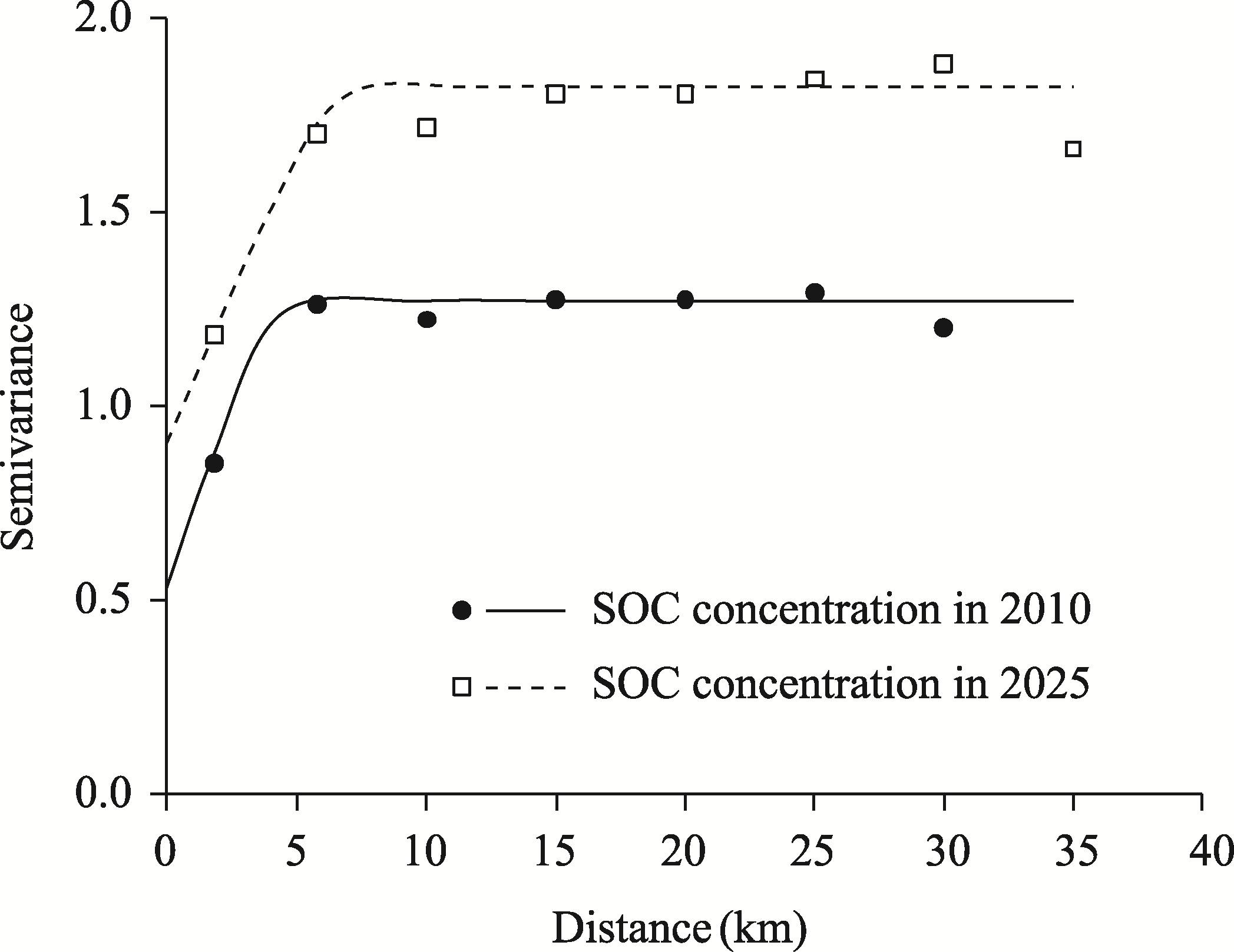
Fig. 2Experimental and model variograms for soil organic carbon (SOC) concentration in 2010 (a) and 2025 (b). Notable changes in spatial structure parameters were observed between the two sampling years.
Year
Mean prediction error (%)
Average standard error (%)
RMSE (%)
Standardized RMSE
2010
-0.000532
1.486
1.554
1.008
2025
0.000203
1.477
1.504
1.024
Table 3 Cross-validation indices for Ordinary Kriging interpolation of SOC concentration
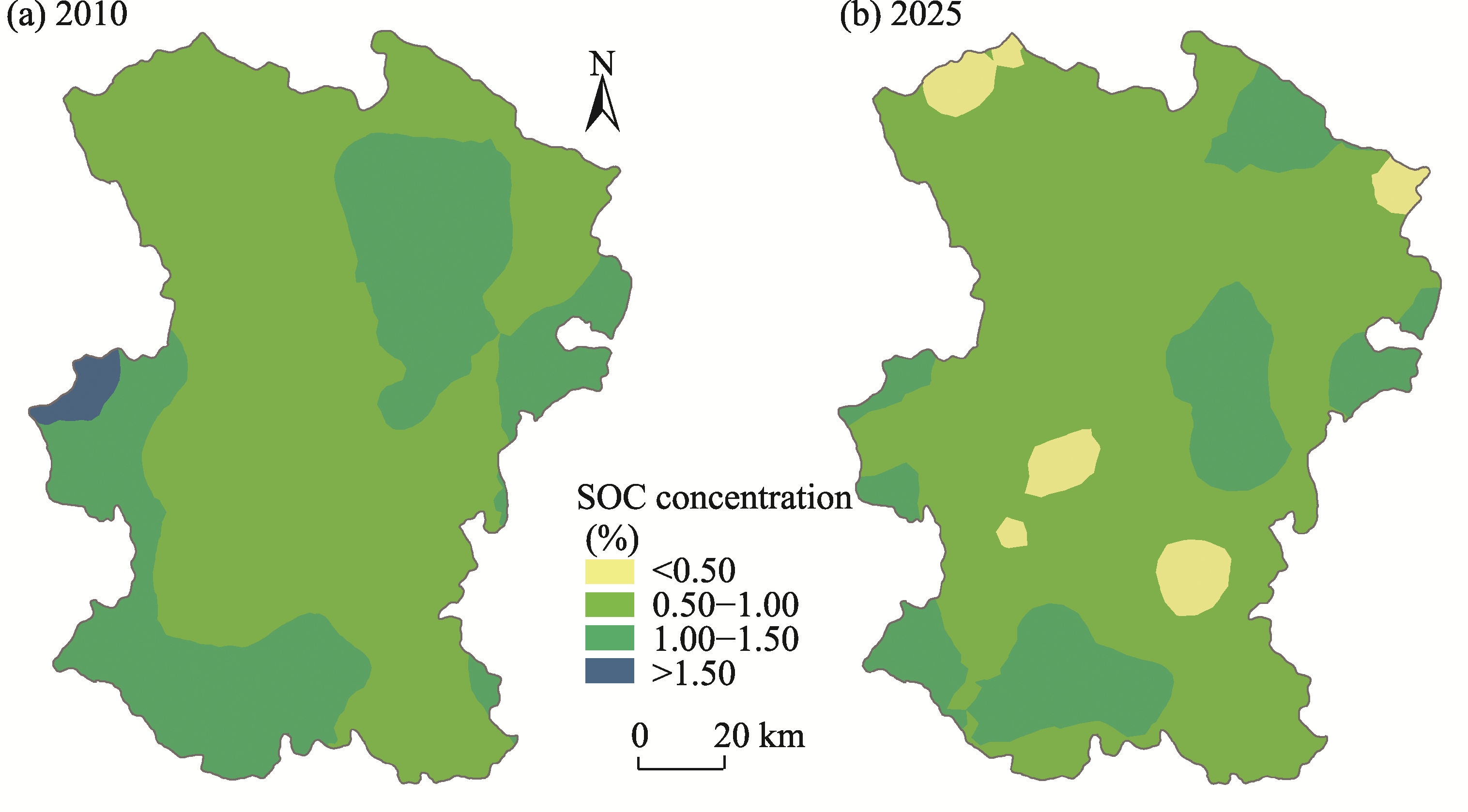
Fig. 3Spatial distribution of SOC concentration across Hamadan Province in 2010 (a) and 2025 (b)
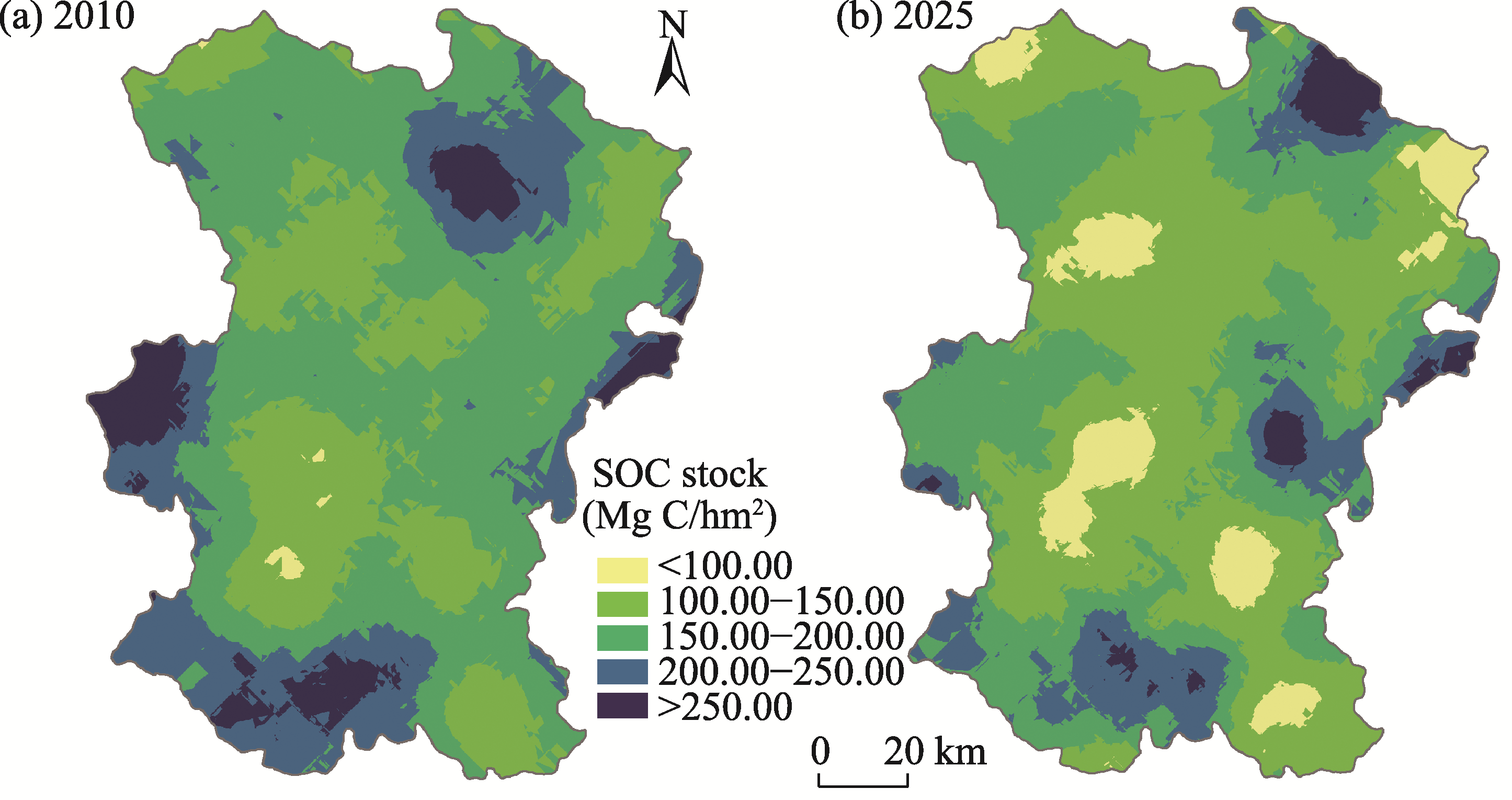
Fig. 4Spatial distribution of SOC stock across Hamadan Province in 2010 (a) and 2025 (b)
Fig. 5Spatial distribution of SOC stock ratio (the ratio of SOC stock in 2025 to that in 2010) across Hamadan Province. Values <1.00 indicate SOC stock decline.
[1]
Agricultural Jihad Organization of Hamadan.2025. Annual Agricultural Statistics Report of Hamadan Province (2010-2025). In: Agricultural Jihad Organization of Hamadan. Hamadan, Iran. (in Persian)
[2]
Aguilera E, Lassaletta L, Gattinger A, et al. 2013. Managing soil carbon for climate change mitigation and adaptation in Mediterranean cropping systems: A meta-analysis. Agriculture, Ecosystems & Environment, 168: 25-36.
doi: 10.1016/j.agee.2013.02.003
[3]
Álvaro-Fuentes J, López M, Arrúe J, et al. 2008. Management effects on soil carbon dioxide fluxes under semiarid Mediterranean conditions. Soil Science Society of America Journal, 72(1): 194-200.
doi: 10.2136/sssaj2006.0310
[4]
Álvaro-Fuentes J, López M, Arrúe J, et al. 2009. Tillage and cropping effects on soil organic carbon in Mediterranean semiarid agroecosystems: Testing the Century model. Agriculture, Ecosystems & Environment, 134(3-4): 211-217.
doi: 10.1016/j.agee.2009.07.001
[5]
Álvaro-Fuentes J, Plaza-Bonilla D, Arrúe J L, et al. 2014. Soil organic carbon storage in a no-tillage chronosequence under Mediterranean conditions. Plant and Soil, 376: 31-41.
doi: 10.1007/s11104-012-1167-x
[6]
Apostolakis A, Daka O L, Englert P, et al. 2026. Long-term reduced tillage does not enhance crop yield, soil organic carbon stocks or greenhouse gas mitigation under ambient rainfall and rainfall exclusion in a temperate Luvisol. Soil and Tillage Research, 257: 106985, doi: 10.1016/j.still.2025.106985.
[7]
Asadi S, Noorivandi A N, Ommani A R, et al. 2025. Challenges of sustainable food security in Iran. Discover Sustainability, 6: 694, doi: 10.1007/s43621-025-01656-1.
[8]
Ayoubi S, Karchegani P M, Mosaddeghi M R, et al. 2012. Soil aggregation and organic carbon as affected by topography and land use change in western Iran. Soil and Tillage Research, 121: 18-26.
doi: 10.1016/j.still.2012.01.011
[9]
Batjes N H. 2014. Total carbon and nitrogen in the soils of the world. European Journal of Soil Science, 65(1): 10-21.
doi: 10.1111/ejss.2014.65.issue-1
Cambardella C A, Moorman T B, Novak J M, et al. 1994. Field‐scale variability of soil properties in central Iowa soils. Soil Science Society of America Journal, 58(5): 1501-1511.
doi: 10.2136/sssaj1994.03615995005800050033x
[12]
Chen Z, Wang J, Deng N, et al. 2018. Modeling the effects of farming management practices on soil organic carbon stock at a county-regional scale. CATENA, 160: 76-89.
doi: 10.1016/j.catena.2017.09.006
Deng L, Wang K B, Zhu G Y, et al. 2018. Changes of soil carbon in five land use stages following 10 years of vegetation succession on the Loess Plateau, China. CATENA, 171: 185-192.
doi: 10.1016/j.catena.2018.07.014
[15]
Falahatkar S, Hosseini S M, Salman Mahiny A, et al. 2014. Soil organic carbon stock as affected by land use/cover changes in the humid region of northern Iran. Journal of Mountain Science, 11(2): 507-518.
doi: 10.1007/s11629-013-2645-1
[16]
García-González I, Hontoria C, Gabriel J L, et al. 2018. Cover crops to mitigate soil degradation and enhance soil functionality in irrigated land. Geoderma, 322: 81-88.
doi: 10.1016/j.geoderma.2018.02.024
[17]
Geraei D S, Hojati S, Landi A, et al. 2016. Total and labile forms of soil organic carbon as affected by land use change in southwestern Iran. Geoderma Regional, 7(1): 29-37.
doi: 10.1016/j.geodrs.2016.01.001
[18]
Goovaerts P. 1997. Geostatistics for Natural Resources Evaluation. Oxford: Oxford University Press.
[19]
Han M J, Zhao Q, Li W, et al. 2022. Global soil organic carbon changes and economic revenues with biochar application. GCB Bioenergy, 14(3): 364-377.
doi: 10.1111/gcbb.v14.3
[20]
Jebari A, del Prado A, Pardo G, et al. 2018. Modeling regional effects of climate change on soil organic carbon in Spain. Journal of Environmental Quality, 47(4): 644-653.
doi: 10.2134/jeq2017.07.0294
pmid: 30025039
[21]
Lal R, Delgado J, Groffman P, et al. 2011. Management to mitigate and adapt to climate change. Journal of Soil and Water Conservation, 66(4): 276-285.
doi: 10.2489/jswc.66.4.276
[22]
Loveland P, Webb J. 2003. Is there a critical level of organic matter in the agricultural soils of temperate regions: A review. Soil and Tillage Research, 70(1): 1-18.
doi: 10.1016/S0167-1987(02)00139-3
[23]
Lugato E, Panagos P, Bampa F, et al. 2014. A new baseline of organic carbon stock in European agricultural soils using a modelling approach. Global Change Biology, 20(1): 313-326.
doi: 10.1111/gcb.12292
pmid: 23765562
[24]
Mesgaran M B, Madani K, Hashemi H, et al. 2017. Iran's land suitability for agriculture. Scientific Reports, 7: 7670, doi: 10.1038/s41598-017-08066-y.
pmid: 28794520
[25]
Morell F, Cantero-Martínez C, Lampurlanés J, et al. 2011. Soil carbon dioxide flux and organic carbon content: Effects of tillage and nitrogen fertilization. Soil Science Society of America Journal, 75(5): 1874-1884.
doi: 10.2136/sssaj2011.0030
[26]
Muñoz-Rojas M, Jordán A, Zavala L M, et al. 2012. Organic carbon stocks in Mediterranean soil types under different land uses (Southern Spain). Solid Earth, 3(2): 375-386.
doi: 10.5194/se-3-375-2012
[27]
Nanos N, Rodríguez Martín J A. 2012. Multiscale analysis of heavy metal contents in soils: Spatial variability in the Duero river basin (Spain). Geoderma, 189-190: 554-562.
doi: 10.1016/j.geoderma.2012.06.006
[28]
Nanos N, Grigoratos T, Rodríguez Martín J A, et al. 2015. Scale-dependent correlations between soil heavy metals and As around four coal-fired power plants of northern Greece. Stochastic Environmental Research and Risk Assessment, 29: 1531-1543.
doi: 10.1007/s00477-014-0991-3
[29]
Nourzadeh M, Hashemy S M, Rodriguez Martin J A, et al. 2012. Using fuzzy clustering algorithms to describe the distribution of trace elements in arable calcareous soils in northwest Iran. Archives of Agronomy and Soil Science, 59(3): 435-448.
doi: 10.1080/03650340.2011.636356
[30]
Nourzadeh Haddad M, Mahdian M H, Malakouti M J. 2013. Efficiency comparison of some geostatistical methods for investigating spatial variability of micro nutrients in agricultural lands, case study: Hamadan Province. Water and Soil Science, 23: 71-81.
[31]
Oliver M, Webster R. 2014. A tutorial guide to geostatistics: Computing and modelling variograms and Kriging. CATENA, 113: 56-69.
doi: 10.1016/j.catena.2013.09.006
[32]
Pardo G, del Prado A, Martínez-Mena M, et al. 2016. Orchard and horticulture systems in Spanish Mediterranean coastal areas: Is there a real possibility to contribute to C sequestration? Agriculture, Ecosystems & Environment, 238: 153-167.
doi: 10.1016/j.agee.2016.09.034
[33]
Paustian K, Six J, Elliott E T, et al. 2000. Management options for reducing CO2 emissions from agricultural soils. Biogeochemistry, 48: 147-163.
doi: 10.1023/A:1006271331703
[34]
Paustian K, Collier S, Baldock J, et al. 2019. Quantifying carbon for agricultural soil management: From the current status toward a global soil information system. Carbon Management, 10(6): 567-587.
doi: 10.1080/17583004.2019.1633231
[35]
Poeplau C, Don A. 2015. Carbon sequestration in agricultural soils via cultivation of cover crops-A meta-analysis. Agriculture, Ecosystems & Environment, 200: 33-41.
doi: 10.1016/j.agee.2014.10.024
[36]
Post W M, Kwon K C. 2000. Soil carbon sequestration and land-use change: processes and potential. Global Change Biology, 6(3): 317-327.
doi: 10.1046/j.1365-2486.2000.00308.x
[37]
Rezaei H, Saadat S, Mirkhani R, et al. 2022. The state of soil organic carbon in agricultural lands of Iran with different agroecological conditions. International Journal of Environmental Analytical Chemistry, 102(16): 4623-4639.
doi: 10.1080/03067319.2020.1786547
[38]
Rodríguez Martín J A, Vazquez de la Cueva A, Grau Corbí J, et al. 2009. Factors controlling the spatial variability of mercury distribution in Spanish topsoil. Soil & Sediment Contamination, 18(1): 30-42.
[39]
Rodríguez Martín J A, Álvaro-Fuentes J, Gonzalo J, et al. 2016. Assessment of the soil organic carbon stock in Spain. Geoderma, 264: 117-125.
doi: 10.1016/j.geoderma.2015.10.010
[40]
Rodríguez Martín J A, Álvaro-Fuentes J, Gabriel J L, et al. 2019. Soil organic carbon stock on the Majorca Island: Temporal change in agricultural soil over the last 10 years. CATENA, 181: 104087, doi: 10.1016/j.catena.2019.104087.
[41]
Shahnavaz M, Nourzadeh Haddad M, Gholami A, et al. 2019. Investigation the efficiency of soil stabilizers against soil loss and their effects on chemical properties of soil. Arid Land Research and Management, 33(2): 119-135.
doi: 10.1080/15324982.2018.1531324
[42]
Takoutsing B, Weber J, Aynekulu E, et al. 2016. Assessment of soil health indicators for sustainable production of maize in smallholder farming systems in the highlands of Cameroon. Geoderma, 276: 64-73.
doi: 10.1016/j.geoderma.2016.04.027
[43]
Takoutsing B, Martín J A R. 2025. Effects of landscape attributes on the spatial distribution of soil organic carbon stocks in smallholder farming systems in Cameroon. CATENA, 249: 108640, doi: 10.1016/j.catena.2024.108640.
[44]
Tor-Gunnar V, Leigh A W. 2013. Mapping of soil organic carbon stocks for spatially explicit assessments of climate change mitigation potential. Environmental Research Letters, 8(1): 015011, doi: 10.1088/1748-9326/8/1/015011.
[45]
van den Hoogen J, Geisen S, Routh D, et al. 2019. Soil nematode abundance and functional group composition at a global scale. Nature, 572: 194-198.
doi: 10.1038/s41586-019-1418-6
[46]
von Fromm S F, Olson C I, Monroe M D, et al. 2025. Temporal and spatial dynamics of soil carbon cycling and its response to environmental change in a northern hardwood forest. Global Change Biology, 31: e70250, doi: 10.1111/gcb.70250.
[47]
Walkley A. 1935. An examination of methods for determining organic carbon and nitrogen in soils. The Journal of Agricultural Science, 25(4): 598-609.
doi: 10.1017/S0021859600019687
[48]
Wang H Y, Cai T Y, Tian X S, et al. 2025. Global patterns of soil organic carbon dynamics in the 20-100 cm soil profile for different ecosystems: A global meta-analysis. Earth System Science Data, 17(7): 3375-3390.
doi: 10.5194/essd-17-3375-2025
[49]
Xiang M T, Chen X J, Chen S C, et al. 2025. Spatiotemporal changes of soil organic carbon in intensive croplands over three decades: Emerging role of farmland utilization shifts. Soil and Tillage Research, 254: 106734, doi: 10.1016/j.still.2025.106734.
[50]
Zhao R, Gabriel J L, Pro J, et al. 2025. Majorca soil nutrients: Spatio‐temporal changes in agricultural soil over the last 11 years. Soil Use and Management, 41(3): e70124, doi: 10.1111/sum.70124.