| Research article |
|


|
|
|
| Divergent vegetation response to increasing grazing pressure in arid and semi-arid rangelands in Argentina |
Dianela Alejandra CALVO1, Juan José GAITÁN2,3, Juan Manuel ZEBERIO1, Ana Inés CASALINI4, Guadalupe PETER1,2,*( ) ) |
1Universidad Nacional de Río Negro, Sede Atlántica, CEANPa, Viedma 8500, Argentina
2Consejo Nacional de Investigaciones Científicas y Técnicas, Buenos Aires 1425, Argentina
3Universidad Nacional de Luján, Luján 6700, Argentina
4Wildlife Conservation Society, Buenos Aires 1005, Argentina |
|
|
|
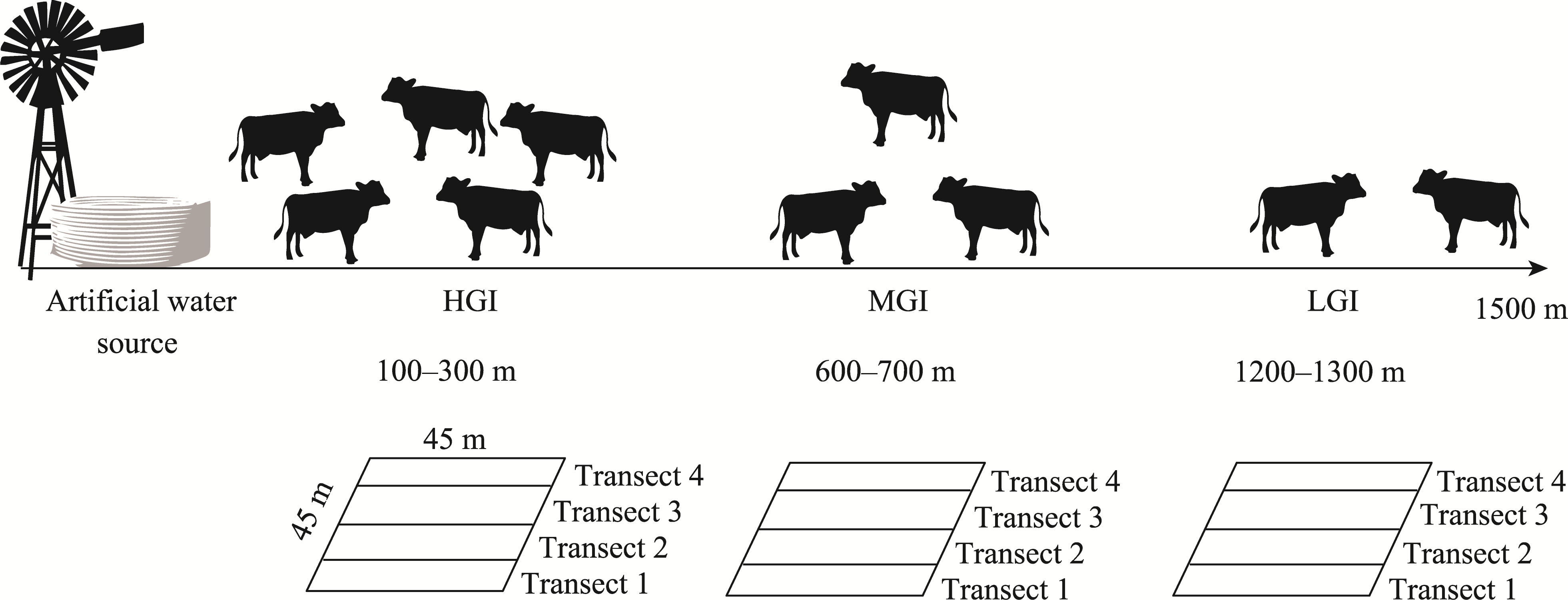
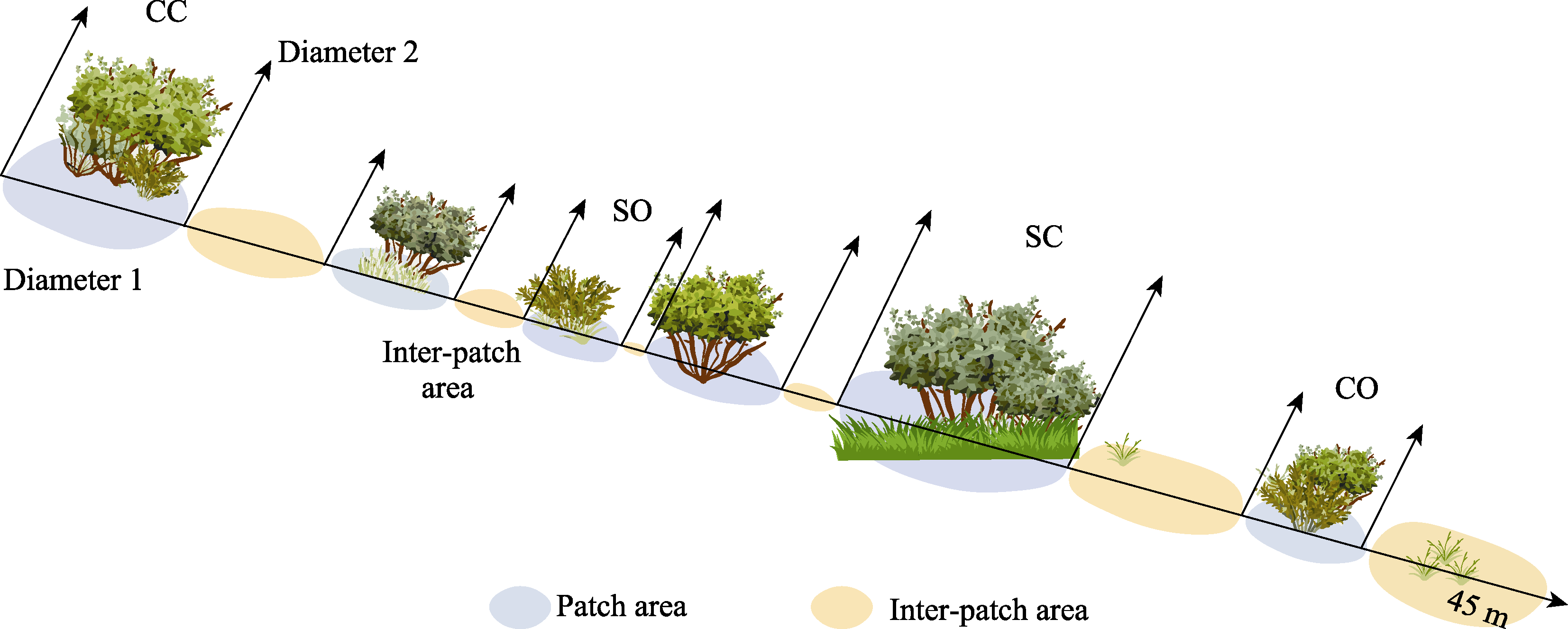
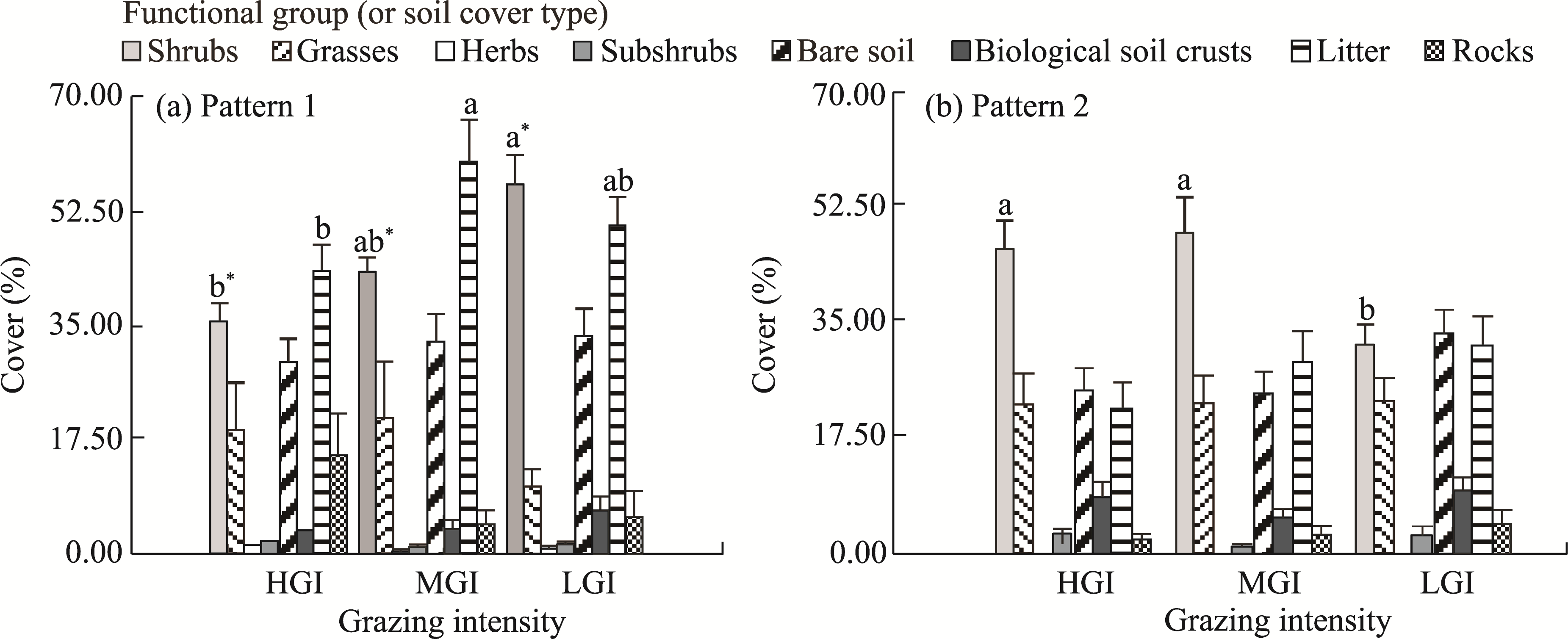
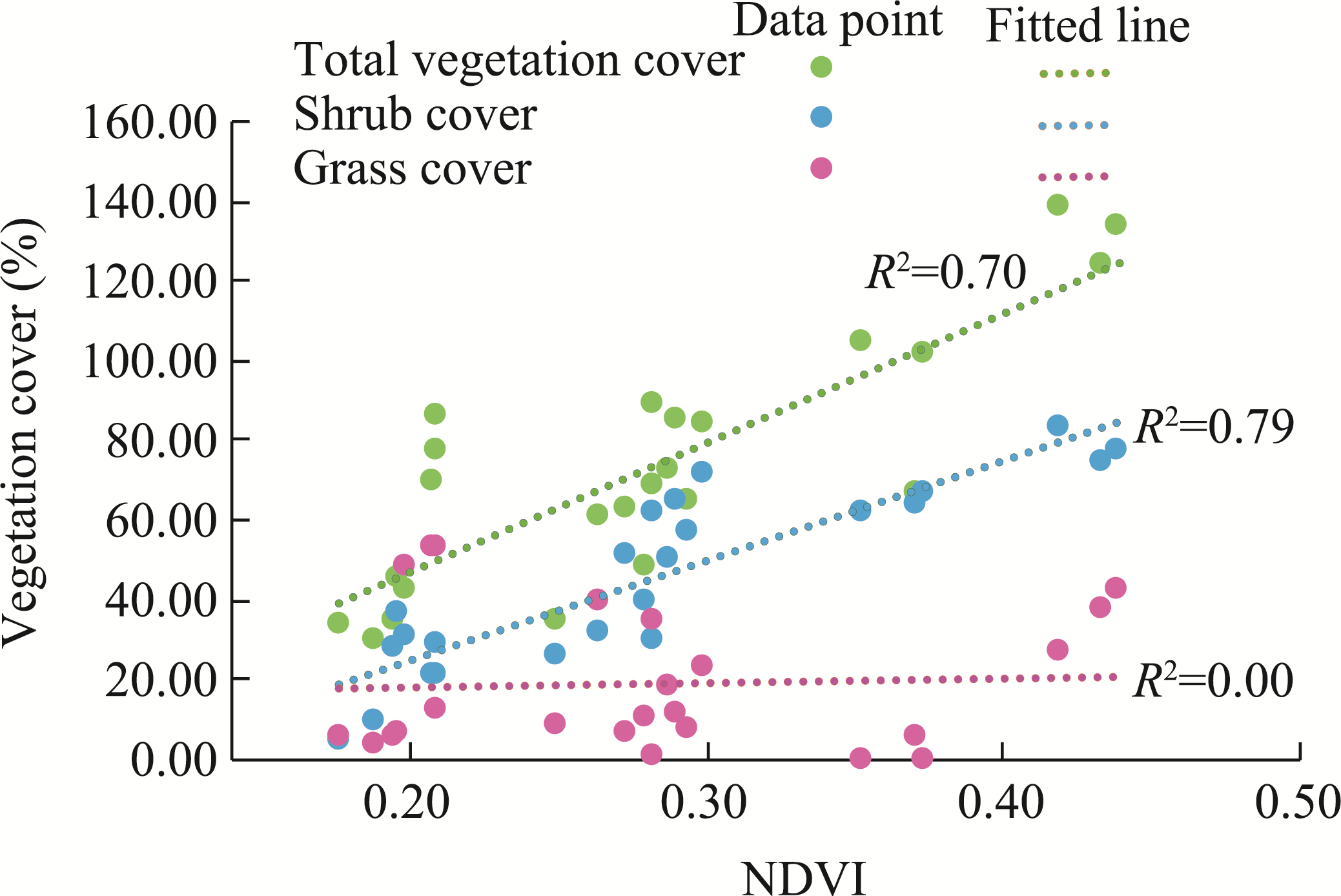
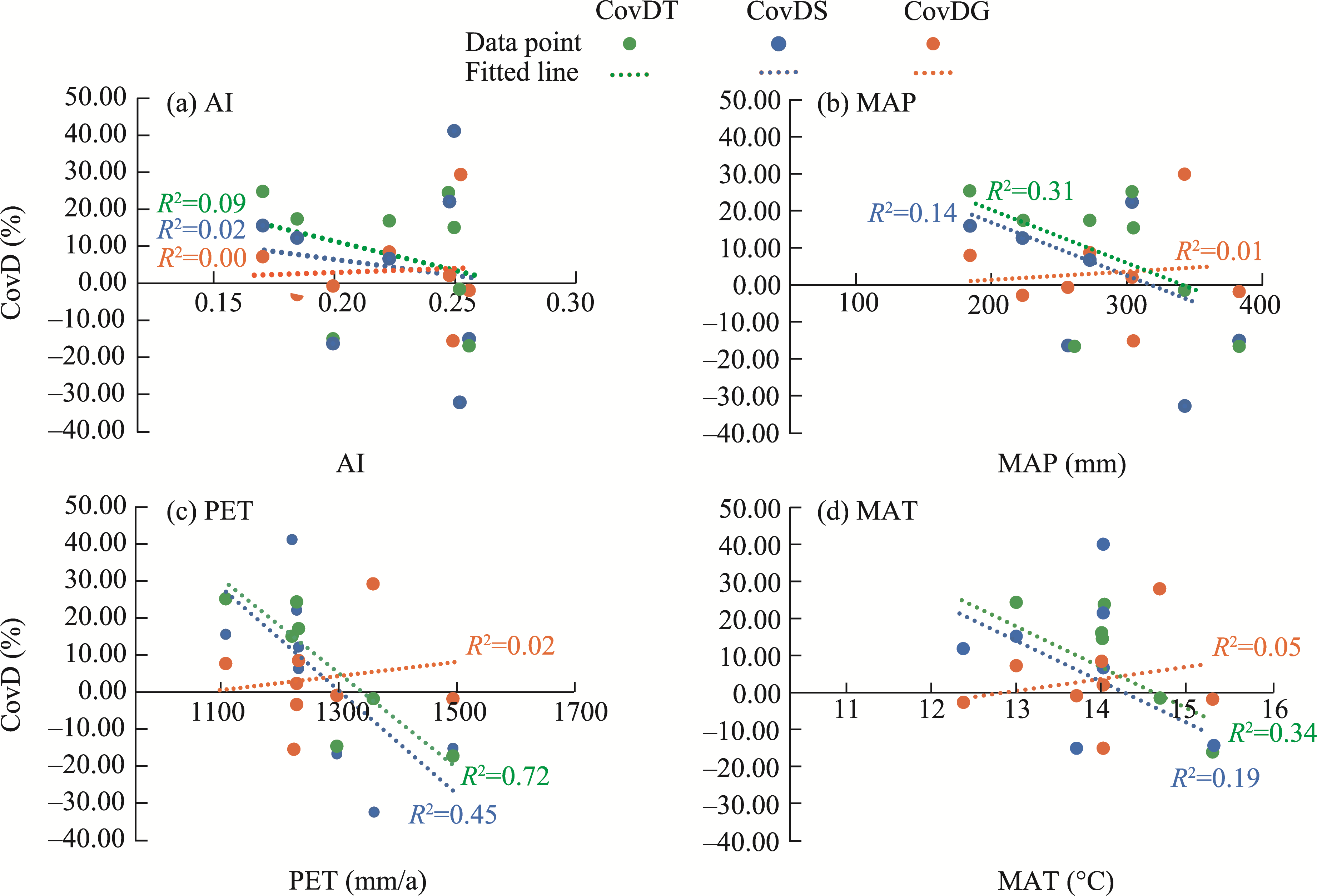
Abstract The connection between climatic factors and grazing is essential for maintaining ecosystem function and vegetation productivity. This study examined the impact of grazing intensity on vegetation across a broad climatic gradient spanning the Espinal, Argentine Low Monte, and Patagonian Steppe ecoregions of Argentina. The research was carried out at eight sampling sites with radial grazing gradients generated around artificial water sources (piospheres), exhibiting two contrasting response patterns of vegetation to grazing pressure. One of the response patterns shows a typical vegetation response to grazing that the vegetation productivity increases with the distance to the water sources (decreasing grazing intensity). The second pattern is found in drier regions, where vegetation presents an inverse productivity response that vegetation productivity is higher near water sources (high grazing intensity) due to increased shrub cover. Vegetation productivity was measured using the Normalized Difference Vegetation Index (NDVI). Vegetation patch structure and cover were determined for each site with high, medium, and low grazing intensities. Results indicated that shrub cover is the primary driver of vegetation productivity, showing contrasting responses to grazing intensity between the two identified patterns. While NDVI proved to be a reliable proxy for shrub cover and total vegetation cover (R2>0.70), it failed to reflect grass cover dynamics. Furthermore, mean annual temperature was more strongly correlated with vegetation cover changes, while grazing intensity significantly altered vegetation patch structure and soil cover distribution. Specifically, in drier regions, high grazing intensity led to larger patches while, in wetter regions, it led to smaller patches (fragmentation). Shrubs, with their deeper roots and drought tolerance, were less preferred and more resistant to grazing in arid environments and thrived under grazing pressure in these arid conditions. Our results underscored the need for adaptive management strategies in grazing systems. Traditional approaches may require significant adjustments, as the efficacy of management hinges on the interplay of specific climatic conditions and the varied responses of vegetation. Furthermore, effective conservation efforts should prioritize the recognition and protection of shrubs given their critical contribution to ecosystem function and biodiversity. Ultimately, this research provides a valuable framework to understand the complex dynamics between grazing and vegetation in arid and semi-arid environments, highlighting that sustainable grazing practices should be tailored to account for both climatic variables and the unique characteristics of different plant communities.
|
|
Received: 01 March 2025
Published: 31 January 2026
|
|
Corresponding Authors:
*Guadalupe PETER (E-mail: gpeter@unrn.edu.ar)
|
|
|
| [1] |
Aguiar M R, Paruelo J M, Sala O E, et al. 1996. Ecosystem responses to changes in plant functional type composition: an example from the Patagonian steppe. Journal of Vegetation Science, 7(3): 381-390.
doi: 10.2307/3236281
|
|
|
| [2] |
Aguiar M R, Sala O E. 1999. Patch structure, dynamics and implications for the functioning of arid ecosystems. Trends in Ecology & Evolution, 14(7): 273-277.
doi: 10.1016/S0169-5347(99)01612-2
|
|
|
| [3] |
Archer S R, Andersen E M, Predick K I, et al. 2017. Woody plant encroachment:causes and consequences. In: BriskeD D. RangelandSystems. Cham: Springer, 25-84.
|
|
|
| [4] |
Bär Lamas M I, Larreguy C, Carrera A L, et al. 2013. Changes in plant cover and functional traits induced by grazing disturbance in arid rangelands. Acta Ecologica, 51: 66-73.
doi: 10.1016/j.actao.2013.06.002
|
|
|
| [5] |
Barbosa da Silva F H, Arieira J, Parolin P, et al. 2016. Shrub encroachment influences herbaceous communities in flooded grasslands of a neotropical savanna wetland. Journal of Vegetation Science, 74(6): 198-213.
|
|
|
| [6] |
Bertiller M B, Bisigato A J. 1998. Vegetation dynamics under grazing disturbance: The state-and-transition model for the Patagonian steppes. Ecología Austral, 8: 191-199.
|
|
|
| [7] |
Bertiller M B, Ares J O, Bisigato A J. 2002. Multiscale indicators of land degradation in the Patagonian Monte, Argentina. Environmental Management, 30(5): 704-715.
pmid: 12375090
|
|
|
| [8] |
Bestelmeyer B T, Herrick J E, Brown J R, et al. 2004. Land management in the American southwest: A state-and-transition approach to ecosystem complexity. Environmental Management, 34(1): 38-51.
pmid: 15383873
|
|
|
| [9] |
Bestelmeyer B T, Peters D P C, Archer S R, et al. 2018. The grassland-shrubland regime shift in the southwestern United States: misconceptions and their implications for management. BioScience, 68(9): 678-690.
doi: 10.1093/biosci/biy065
|
|
|
| [10] |
Biancari L, Aguiar M R, Eldridge D J, et al. 2024. Drivers of woody dominance across global drylands. Science Advances, 10(41): eadn6007, doi: 10.1126/sciadv.adn6007.
|
|
|
| [11] |
Bisigato A J, Bertiller M B. 1997. Grazing effects on patchy dryland vegetation in northern Patagonia. Journal of Arid Environments, 36(4): 639-653.
doi: 10.1006/jare.1996.0247
|
|
|
| [12] |
Calvo D A, Peter G, Gaitán J J, 2021. Climate modulates grazing effects on primary productivity of arid ecosystems in Argentina. Ecosistemas, 30(3): 2228. doi: 10.7818/ECOS.2228.
|
|
|
| [13] |
Bisigato A J, Villagra P E, Ares J O, et al. 2009. Vegetation heterogeneity in Monte Desert ecosystems: A multi-scale approach linking patterns and processes. Journal of Arid Environments, 73(2): 182-191.
doi: 10.1016/j.jaridenv.2008.09.001
|
|
|
| [14] |
Cheli G H, Pazos G E, Flores J C, et al. 2016. Effect of sheep grazing gradients on vegetation and soil in Peninsula Valdés, Patagonia, Argentina. Ecología Austral, 26: 200-211. (in Spanish)
doi: 10.25260/EA.16.26.2.0.237
|
|
|
| [15] |
Chillo V, Ojeda R A, Anand M, et al. 2015. A novel approach to assess livestock management's effects on biodiversity of drylands. Ecological Indicators, 50: 69-78.
doi: 10.1016/j.ecolind.2014.10.009
|
|
|
| [16] |
Cipriotti P A, Aguiar M R, Wiegand T, et al. 2019. Combined effects of grazing management and climate on semi-arid steppes: Hysteresis dynamics prevent recovery of degraded rangelands. Journal of Applied Ecology, 56(9): 2155-2165.
doi: 10.1111/1365-2664.13471
|
|
|
| [17] |
Connell J H. 1978. Diversity in tropical rain forests and coral reefs: High diversity of trees and corals is maintained only in a nonequilibrium state. Science, 199(4335): 1302-1310.
doi: 10.1126/science.199.4335.1302
pmid: 17840770
|
|
|
| [18] |
Coronato F R, Bertiller M B. 1997. Climatic controls of soil moisture dynamics in an arid steppe of northern Patagonia, Argentina. Arid Soil Research and Rehabilitation, 11(3): 277-288.
doi: 10.1080/15324989709381479
|
|
|
| [19] |
Davies K W, Boyd C S, Bates J D, et al. 2024. Ecological benefits of strategically applied livestock grazing in sagebrush communities. Ecosphere, 15(5): e4859, doi: 10.1002/ecs2.4859.
|
|
|
| [20] |
de Graaff M A, Throop H L, Verburg P S J, et al. 2014. A synthesis of climate and vegetation cover effects on biogeochemical cycling in shrub-dominated drylands. Ecosystems, 17: 931-945.
doi: 10.1007/s10021-014-9764-6
|
|
|
| [21] |
Di Rienzo J A, Casanoves F, Balzarini M G, et al. 2020. InfoStat Version 2020. Córdoba: Universidad Nacional de Córdoba. (in Spanish)
|
|
|
| [22] |
Eldridge D J, Soliveres S. 2015. Are shrubs really a sign of declining ecosystem function? Disentangling the myths and truths of woody encroachment in Australia. Australian Journal of Botany, 62(6): 594-608.
doi: 10.1071/BT14137
|
|
|
| [23] |
Eldridge D J, Poore A G B, Ruiz-Colmenero M, et al. 2016. Ecosystem structure, function, and composition in rangelands are negatively affected by livestock grazing. Ecological Applications, 26(4): 1273-1283.
pmid: 27509764
|
|
|
| [24] |
Epstein H E, Lauenroth W K, Burke I C, et al. 1996. Ecological responses of dominant grasses along two climatic gradients in the Great Plains of the United States. Journal of Vegetation Science, 7(6): 777-788.
doi: 10.2307/3236456
|
|
|
| [25] |
Facelli J M. 1988. Response to grazing after nine years of cattle exclusion in a Flooding Pampa grassland, Argentina. Vegetatio, 78: 21-25.
doi: 10.1007/BF00045635
|
|
|
| [26] |
Facelli J M, Springbett H. 2009. Why do some species in arid lands increase under grazing? Mechanisms that favour increased abundance of Maireana pyramidata in overgrazed chenopod shrublands of South Australia. Austral Ecology, 34(5): 588-597.
doi: 10.1111/aec.2009.34.issue-5
|
|
|
| [27] |
Fensham R J, Fairfax R J. 2008. Water-remoteness for grazing relief in Australian arid-lands. Biological Conservation, 141(6): 1447-1460.
doi: 10.1016/j.biocon.2008.03.016
|
|
|
| [28] |
Fensham R J, Fairfax R J, Dwyer J M. 2010. Vegetation responses to the first 20 years of cattle grazing in an Australian desert. Ecology, 91(3): 681-692.
pmid: 20426328
|
|
|
| [29] |
Fick S E, Hijmans R J. 2017. WorldClim 2: New 1‐km spatial resolution climate surfaces for global land areas. International Journal of Climatology: A Journal of the Royal Meteorological Society, 37(12): 4302-4315.
|
|
|
| [30] |
Gaitán J J, López C R, Bran D E. 2009. Grazing effects on soil and vegetation in the Patagonian steppe. Ciencia del Suelo, 27(2): 261-270. (in Spanish)
|
|
|
| [31] |
Gaitán J J, Oliva G E, Bran D E, et al. 2014. Vegetation structure is as important as climate for explaining ecosystem functioning in Patagonian rangelands. Journal of Ecology, 102(6): 1419-1428.
doi: 10.1111/jec.2014.102.issue-6
|
|
|
| [32] |
Gaitán J J. 2017. Structural and functional attributes of arid and semiarid ecosystems of Patagonia and its relation with abiotic factors and anthropic use. PhD Dissertation. Buenos Aires: Universidad de Buenos Aires. (in Spanish)
|
|
|
| [33] |
Gatica G, Escudero A, Pucheta E. 2020. Livestock settlement affects shrub abundance via plant functional diversity but not species richness in arid environments. Plant Ecology, 221(12): 1253-1264.
doi: 10.1007/s11258-020-01079-0
|
|
|
| [34] |
Gherardi L A, Sala O E. 2019. Effect of inter-annual precipitation variability on dryland productivity: A global synthesis. Global Change Biology, 25(1): 269-276.
doi: 10.1111/gcb.2019.25.issue-1
|
|
|
| [35] |
Golluscio R A, Deregibus V A, Paruelo J M. 1998. Sustainability and range management in the Patagonian steppes. Ecología Austral, 8: 265-284.
|
|
|
| [36] |
Gross N, Maestre F T, Liancourt P, et al. 2024. Unforeseen plant phenotypic diversity in a dry and grazed world. Nature, 632(8026): 808-814.
doi: 10.1038/s41586-024-07731-3
|
|
|
| [37] |
James C D, Landsberg J, Morton S R. 1999. Provision of watering points in the Australian arid zone: A review of effects on biota. Journal of Arid Environments, 41(1): 87-121.
doi: 10.1006/jare.1998.0467
|
|
|
| [38] |
Jawuoro S O, Koech O K, Karuku G N, et al. 2017. Plant species composition and diversity depending on piospheres and seasonality in the southern rangelands of Kenya. Ecological Processes, 6(1): 159-167.
|
|
|
| [39] |
Jentsch A, White P. 2019. A theory of pulse dynamics and disturbance in ecology. Ecology, 100(7): e02734, doi: 10.1002/ecy.2734.
|
|
|
| [40] |
Jobbágy E G, Sala O E, Paruelo J M. 2002. Patterns and controls of primary production in the Patagonian steppe: A remote sensing approach. Ecology, 83(2): 307-319.
|
|
|
| [41] |
Kröpfl A I, Deregibus V A, Cecchi G A. 2007. Disturbances on a shrubby steppe of the Monte phytogeographical province: changes in vegetation. Ecología Austral, 17: 257-268. (in Spanish)
|
|
|
| [42] |
Labraga J C, Villalba R. 2009. Climate of the Monte desert: Past trends, present conditions, and future projections. Journal of Arid Environments, 73(2): 154-163.
doi: 10.1016/j.jaridenv.2008.03.016
|
|
|
| [43] |
Landsberg J, Lavorel S, Stol J. 1999. Grazing response groups among understorey plants in arid rangelands. Journal of Vegetation Science, 10(5): 683-696.
doi: 10.2307/3237083
|
|
|
| [44] |
Lange R T. 1969. The piosphere: Sheep tracks and dung patterns. Journal of Range Management, 22(6): 396-400.
doi: 10.2307/3895849
|
|
|
| [45] |
Laycock W A. 1991. Stable states and thresholds of range condition on North American rangelands: A viewpoint. Journal of Range Management, 44(5): 427-433.
doi: 10.2307/4002738
|
|
|
| [46] |
Leder C V, Peter G, Funk F A, et al. 2017. Consequences of anthropogenic disturbances on the diversity of soil seed banks and the effect of nurse shrubs in a semi-arid grassland. Biodiversity and Conservation, 26(10): 2327-2346.
doi: 10.1007/s10531-017-1358-0
|
|
|
| [47] |
Leder C V, Torres Robles S S, Peter G. 2021. Moderate disturbances and shrub protection enhance perennial grass recruitment in northern Patagonia. Journal of Arid Environments, 189: 104479, doi: 10.1016/j.jaridenv.2021.104479.
|
|
|
| [48] |
Leder C V, Calvo D A, Peter G. 2022. Seed rain and soil seed bank compensatory roles on Nassella tenuis (Phil.) Barkworth seedling recruitment in ungrazed and grazed sites. Journal of Arid Land, 14(5): 550-560.
doi: 10.1007/s40333-022-0015-y
|
|
|
| [49] |
León R J C, Aguiar M R. 1985. Sheep grazing causes important disturbances in western Patagonian semi-arid grasslands. Phytocoenologia, 13(2): 181-196. (in Spanish)
doi: 10.1127/phyto/13/1985/181
|
|
|
| [50] |
Loydi A, Distel R A, Zalba S M. 2010. Large herbivore grazing and non-native plant invasions in montane grasslands of central Argentina. Natural Areas Journal, 30(2): 148-155.
doi: 10.3375/043.030.0203
|
|
|
| [51] |
Maestre F T, Bowker M A, Puche M D, et al. 2009. Shrub encroachment can reverse desertification in semi-arid Mediterranean grasslands. Ecology Letters, 12(9): 930-941.
doi: 10.1111/j.1461-0248.2009.01352.x
pmid: 19638041
|
|
|
| [52] |
Maestre F T, Eldridge D J, Soliveres S. 2016. A multifaceted view on the impacts of shrub encroachment. Applied Vegetation Science, 19(3): 369-370.
doi: 10.1111/avsc.12254
pmid: 28239276
|
|
|
| [53] |
Maestre F T, Le Bagousse-Pinguet Y, Delgado-Baquerizo M, et al. 2022. Grazing and ecosystem service provision in global drylands. Science, 378(6622): 915-920.
doi: 10.1126/science.abq4062
|
|
|
| [54] |
Matteucci S D, Colma A. 1982. Methodology for the Study of Vegetation. Washington DC: Secretaría General de la OEA, 168. https://eva.fcien.udelar.edu.uy/pluginfile.php/149336/mod_resource/content/1/M%C3%A9todo%20para%20el%20estudio%20de%20la%20vegetaci%C3%B3n.pdf. (in Spanish)
|
|
|
| [55] |
McLauchlan K K, Higuera P E, Miesel J, et al. 2020. Fire as a fundamental ecological process: Research advances and frontiers. Journal of Ecology, 108(5): 2047-2069.
doi: 10.1111/jec.v108.5
|
|
|
| [56] |
McSherry M E, Ritchie M E. 2013. Effects of grazing on grassland soil carbon: A global review. Global Change Biology, 19(5): 1347-1357.
doi: 10.1111/gcb.12144
pmid: 23504715
|
|
|
| [57] |
Merdas S, Kouba Y, Mostephaoui T, et al. 2021. Livestock grazing-induced large-scale biotic homogenization in arid Mediterranean steppe rangelands. Land Degradation & Development, 32(17): 5099-5107.
doi: 10.1002/ldr.v32.17
|
|
|
| [58] |
Milchunas D G, Sala O E, Lauenroth W K. 1988. A generalized model of the effects of grazing by large herbivores on grassland community structure. The American Naturalist, 132(1): 87-106.
doi: 10.1086/284839
|
|
|
| [59] |
Milchunas D G, Lauenroth W K. 1993. Quantitative effects of grazing on vegetation and soils over a global range of environments. Ecological Monographs, 63: 327-366.
doi: 10.2307/2937150
|
|
|
| [60] |
Millennium Ecosystem Assessment. 2005. Ecosystems and Human Wellbeing:Desertification Synthesis. Washington DC: Island Press.
|
|
|
| [61] |
Morello J, Matteucci S D, Rodríguez A F, et al. 2012. Argentine Ecoregions and Ecosystem Complexes. Buenos Aires: Orientación Gráfica Editora, 773. (in Spanish)
|
|
|
| [62] |
Morici E, Ernst R, Kin A, et al. 2003. Grazing effect on semiarid Argentina grassland depending on distance from watering point. Archivos de Zootecnia, 52(197): 59-66. (in Spanish)
|
|
|
| [63] |
Nabte M J, Marino A I, Rodríguez M V, et al. 2013. Range management affects native ungulate populations in Península Valdés, a World Natural Heritage. PLoS ONE, 8(2): e55655, doi: 10.1371/journal.pone.0055655.
|
|
|
| [64] |
Nai-Bregaglio M, Pucheta E, Cabido M. 2002. Grazing effects on the floristic and structural diversity in mountain grasslands from central Argentina. Revista Chilena de Historia Natural, 75: 613-623. (in Spanish)
|
|
|
| [65] |
Nash M S, Jackson E, Whitford W G. 2004. Effects of intense, short-duration grazing on microtopography in a Chihuahuan Desert grassland. Journal of Arid Environments, 56(3): 383-393.
doi: 10.1016/S0140-1963(03)00062-4
|
|
|
| [66] |
Noy-Meir I, Gutman M, Kaplan Y. 1989. Responses of Mediterranean grassland plants to grazing and protection. Journal of Ecology, 77(1): 290-310.
doi: 10.2307/2260930
|
|
|
| [67] |
Nsinamwa M, Moleele N M, Sebego R J. 2005. Vegetation patterns and nutrients in relation to grazing pressure and soils in the sandveld and hardveld communal grazing areas of Botswana. African Journal of Range & Forage Science, 22(1): 17-28.
|
|
|
| [68] |
Ochoa-Hueso R, Eldridge D J, Delgado-Baquerizo M, et al. 2018. Soil fungal abundance and plant functional traits drive fertile island formation in global drylands. Journal of Ecology, 106(1): 242-253.
doi: 10.1111/jec.2018.106.issue-1
|
|
|
| [69] |
Oesterheld M, Loreti J, Semmartin M, et al. 1999. Grazing, fire, and climate effects on primary productivity of grasslands and savannas. Ecosystems of the World 16 Ecosystems of Disturbed Ground. New York: Elsevier, 287-306.
|
|
|
| [70] |
Okin G S, Mahowald N, Chadwick O A, et al. 2004. Impact of desert dust on the biogeochemistry of phosphorus in terrestrial ecosystems. Global Biogeochemical Cycles, 18(2): GB2005, doi: 10.1029/2003GB002145.
|
|
|
| [71] |
Oñatibia G R, Aguiar M R. 2016. Continuous moderate grazing management promotes biomass production in Patagonian arid rangelands. Journal of Arid Environments, 125: 73-79.
doi: 10.1016/j.jaridenv.2015.10.005
|
|
|
| [72] |
Oñatibia G R, Boyero L, Aguiar M R. 2018. Regional productivity mediates the effects of grazing disturbance on plant cover and patch-size distribution in arid and semi-arid communities. Oikos, 127(8): 1205-1215.
doi: 10.1111/oik.2018.v127.i8
|
|
|
| [73] |
Oñatibia G R, Aguiar M R. 2019. Grasses and grazers in arid rangelands: Impact of sheep management on forage and non-forage grass populations. Journal of Environmental Management, 235: 42-50.
doi: S0301-4797(19)30037-4
pmid: 30669092
|
|
|
| [74] |
Oñatibia G R. 2021. Grazing management and provision of ecosystem services in Patagonian arid rangelands. In: Peri P L, Martínez Pastur G, Nahuelhual L. Ecosystem Services in Patagonia.Berlin: Springer, 37-60.
|
|
|
| [75] |
Oñatibia G R, Aguiar M R. 2023. On the early warning signal of degradation in drylands: Patches or plants? Journal of Ecology, 111: 428-435.
doi: 10.1111/jec.v111.2
|
|
|
| [76] |
Pazos G E, Bisigato A J, Bertiller M B. 2007. Abundance and spatial patterning of coexisting perennial grasses in grazed shrublands of the Patagonian Monte. Journal of Arid Environments, 70(2): 316-328.
doi: 10.1016/j.jaridenv.2006.12.025
|
|
|
| [77] |
Peter G, Funk F A, Loydi A, et al. 2012. Variation in specific composition and cover in grassland exposed to various grazing pressures in the Monte Rionegrino. Phyton, 81(2): 233-237. (in Spanish)
doi: 10.32604/phyton.2012.81.233
|
|
|
| [78] |
Peter G, Funk F A, Torres Robles S S. 2013. Responses of vegetation to different land-use histories involving grazing and fire in the North-east Patagonian Monte, Argentina. The Rangeland Journal, 35(3): 273-283.
doi: 10.1071/RJ12093
|
|
|
| [79] |
Pettorelli N, Vik J O, Mysterud A, et al. 2005. Using the satellite-derived NDVI to assess ecological responses to environmental change. Trends in Ecology & Evolution, 20(9): 503-510.
doi: 10.1016/j.tree.2005.05.011
|
|
|
| [80] |
Pickup G, Chewings V H. 1994. A grazing gradient approach to land degradation assessment in arid areas from remotely sensed data. International Journal of Remote Sensing, 15(3): 597-617.
doi: 10.1080/01431169408954099
|
|
|
| [81] |
Posse G, Anchorena J, Collantes M B. 2000. Spatial micro-patterns in the steppe of Tierra del Fuego induced by sheep grazing. Journal of Vegetation Science, 11(1): 43-50.
doi: 10.2307/3236774
|
|
|
| [82] |
Pringle H J R, Landsberg J, 2004. Predicting the distribution of livestock grazing pressure in rangelands. Austral Ecology, 29(1): 31-39.
doi: 10.1111/aec.2004.29.issue-1
|
|
|
| [83] |
Pucheta E, Cabido M, Díaz S, et al. 1998. Floristic composition, biomass, and aboveground net plant production in grazed and protected sites in a mountain grassland of central Argentina. Acta Oecologica, 19(2): 97-105.
doi: 10.1016/S1146-609X(98)80013-1
|
|
|
| [84] |
Rambo J L, Faeth S H. 1999. Effect of vertebrate grazing on plant and insect community structure. Conservation Biology, 13(5): 1047-1054.
doi: 10.1046/j.1523-1739.1999.98504.x
|
|
|
| [85] |
Ravelo A C, Planchuelo A M, Abraham E M, et al. 2011. Assessment of Desertification in Argentina: Results of the LADA/FAO Project. Buenos Aires: Secretaría deAambiente y Desarrollo Sustentable de la Nación, 150. (in Spanish)
|
|
|
| [86] |
Renne R R, Bradford J B, Burke I C, et al. 2019. Soil texture and precipitation seasonality influence plant community structure in North American temperate shrub steppe. Ecology, 100(11): e02824, doi: 10.1002/ecy.2824.
|
|
|
| [87] |
Reynolds J F, Virginia R A, Kemp P R, et al. 1999. Impact of drought on desert shrubs: effects of seasonality and degree of resource island development. Ecological Monographs, 69(1): 69-106.
doi: 10.1890/0012-9615(1999)069[0069:IODODS]2.0.CO;2
|
|
|
| [88] |
Rook A J, Dumont B, Isselstein J, et al. 2004. Matching type of livestock to desired biodiversity outcomes in pastures: A review. Biological Conservation, 119(2): 137-150.
doi: 10.1016/j.biocon.2003.11.010
|
|
|
| [89] |
Rostagno C M, del Valle H F, Videla L. 1991. The influence of shrubs on some chemical and physical properties of an aridic soil in northeastern Patagonia, Argentina. Journal of Arid Environments, 20(2): 179-188.
doi: 10.1016/S0140-1963(18)30707-9
|
|
|
| [90] |
Rostagno C M, Defossé G E, del Valle H F. 2006. Postfire vegetation dynamics in three rangelands of northeastern Patagonia, Argentina. Rangeland Ecology and Management, 59(2): 163-170.
doi: 10.2111/05-020R1.1
|
|
|
| [91] |
Sala O E, Oesterheld M, León R J C, et al. 1986. Grazing effects upon plant community structure in subhumid grasslands of Argentina. Vegetatio, 67: 27-32.
doi: 10.1007/BF00040315
|
|
|
| [92] |
Sala O E, Parton W J, Joyce L A, et al. 1988. Primary production of the central grassland region of the United States. Ecology, 69(1): 40-45.
doi: 10.2307/1943158
|
|
|
| [93] |
Saltz D, Schmidt H, Rowen M, et al. 1999. Assessing grazing impacts by remote sensing in hyper-arid environments. Journal of Range Management, 52(5): 500-507.
doi: 10.2307/4003778
|
|
|
| [94] |
Sankaran M, Hanan N P, Scholes R J, et al. 2005. Determinants of woody cover in African savannas. Nature, 438(7069): 846-849.
doi: 10.1038/nature04070
|
|
|
| [95] |
Schenk H J, Jackson R B. 2002. Rooting depths, lateral root spreads and belowground/above-ground allometries of plants in water-limited ecosystems. Journal of Ecology, 90(3): 480-494.
doi: 10.1046/j.1365-2745.2002.00682.x
|
|
|
| [96] |
Shahriary E, Azarnivand H, Jafary M, et al. 2018. Response of landscape function to grazing pressure around Mojen piosphere. Research Journal of Environmental Sciences, 12(2): 83-89.
doi: 10.3923/rjes.2018.83.89
|
|
|
| [97] |
Stevens N, Lehmann C E R, Murphy B P, et al. 2017. Savanna woody encroachment is widespread across three continents. Global Change Biology, 23(1): 235-244.
doi: 10.1111/gcb.13409
pmid: 27371937
|
|
|
| [98] |
Todd S W. 2006. Gradients in vegetation cover, structure and species richness of Nama-Karoo shrublands in relation to distance from livestock catering points. Journal of Applied Ecology, 43(2): 293-304.
doi: 10.1111/jpe.2006.43.issue-2
|
|
|
| [99] |
Torres Robles S S, Arturi M F, Contreras C, et al. 2015. Geographical variations in structure and composition of woody vegetation in the espinal and monte boundary in Northeastern Patagonia (Argentina). Boletín de la Sociedad Argentina de Botánica, 50(2): 209-215. (in Spanish)
doi: 10.31055/1851.2372.v50.n2
|
|
|
| [100] |
Van Auken O W. 2000. Shrub invasions of North American semiarid grasslands. Annual Review of Ecology and Systematics, 31: 197-215.
doi: 10.1146/ecolsys.2000.31.issue-1
|
|
|
| [101] |
Venter Z S, Cramer M D, Hawkins H J. 2018. Drivers of woody plant encroachment over Africa. Nature Communications, 9(1): 2272, doi: 10.1038/s41467-018-04616-8.
|
|
|
| [102] |
Villagra P E, Álvarez J A. 2019. Environmental determinants and challenges for sustainable forest management in the Prosopis flexuosa woodlands from the Monte desert, Argentina. Ecología Austral, 29(1): 146-155. (in Spanish)
doi: 10.25260/EA.19.29.1.0.752
|
|
|
| [103] |
Vogel B E, Rostagno C M, Molina M L, et al. 2022. Cushion shrubs encroach subhumid rangelands and form fertility islands along a grazing gradient in Patagonia. Plant and Soil, 475: 623-643.
doi: 10.1007/s11104-022-05398-1
|
|
|
| [104] |
Ward D, Wiegand K, Getzin S. 2013. Walter's two-layer hypothesis revisited: back to the roots! Oecologia, 172(3): 617-630.
|
|
|
| [105] |
Washington-Allen R A, Van Niel T G, Ramsey R D, et al. 2004. Remote sensing-based piosphere analysis. GIScience & Remote Sensing, 41(2): 136-154.
|
|
|
| [106] |
Yahdjian L, Gherardi L, Sala O E. 2011. Nitrogen limitation in arid-subhumid ecosystems: A meta-analysis of fertilization studies. Journal of Arid Environments, 75(8): 675-680.
doi: 10.1016/j.jaridenv.2011.03.003
|
|
|
| [107] |
Yang Y H, Fang J Y, Tang Y H, et al. 2008. Storage, patterns and controls of soil organic carbon in the Tibetan grasslands. Global Change Biology, 14(7): 1592-1599.
doi: 10.1111/gcb.2008.14.issue-7
|
|
|
|
Viewed |
|
|
|
Full text
|
|
|
|
|
Abstract
|
|
|
|
|
Cited |
|
|
|
|
| |
Shared |
|
|
|
|
| |
Discussed |
|
|
|
|