| Research article |
|


|
|
|
| Niche characteristics, interspecific associations, and community stability of herbaceous layer in the alpine desert of northwestern Qinghai-Xizang Plateau, China |
FU Benyi1,2,3,4, YANG Wei1,2,3,4, SILANG Cixi1,2,3, SUN Xueting1,2,3,4, HE Wenhui1,2,3,4, LUO Daqing1,2,3,4, QU Xingle1,2,3,4,*( ) ) |
1 Institute of Plateau Ecology, Xizang Agricultural and Animal Husbandry University, Linzhi 860000, China
2 Key Laboratory of Alpine Vegetation Ecological Security of Husbandry University, Linzhi 860000, China
3 Key Laboratory of Forest Ecology on the Xizang Plateau, Ministry of Education, Linzhi 860000, China
4 Ngari Ecological Monitoring Station, Ngari 860000, China |
|
|
|
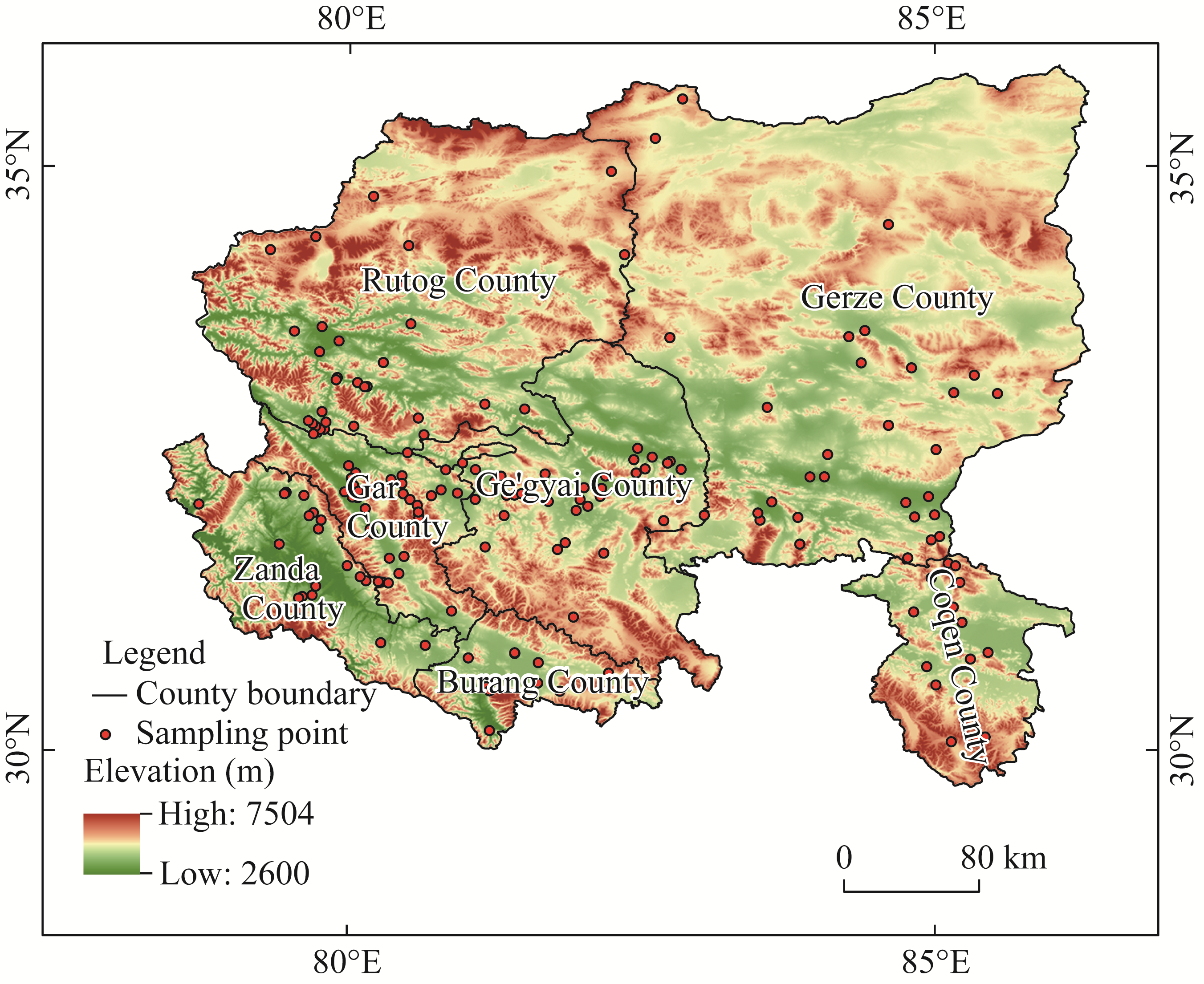
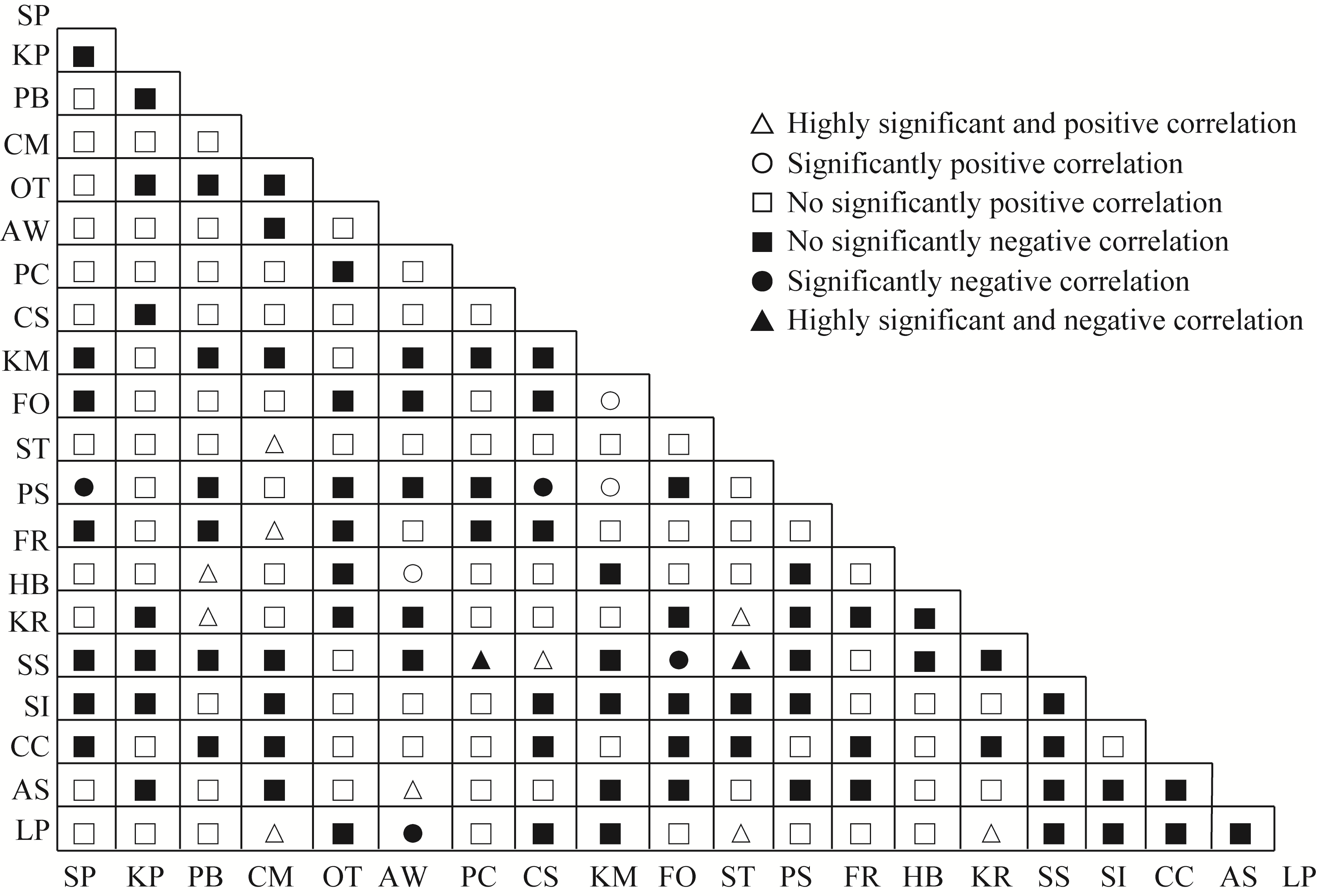
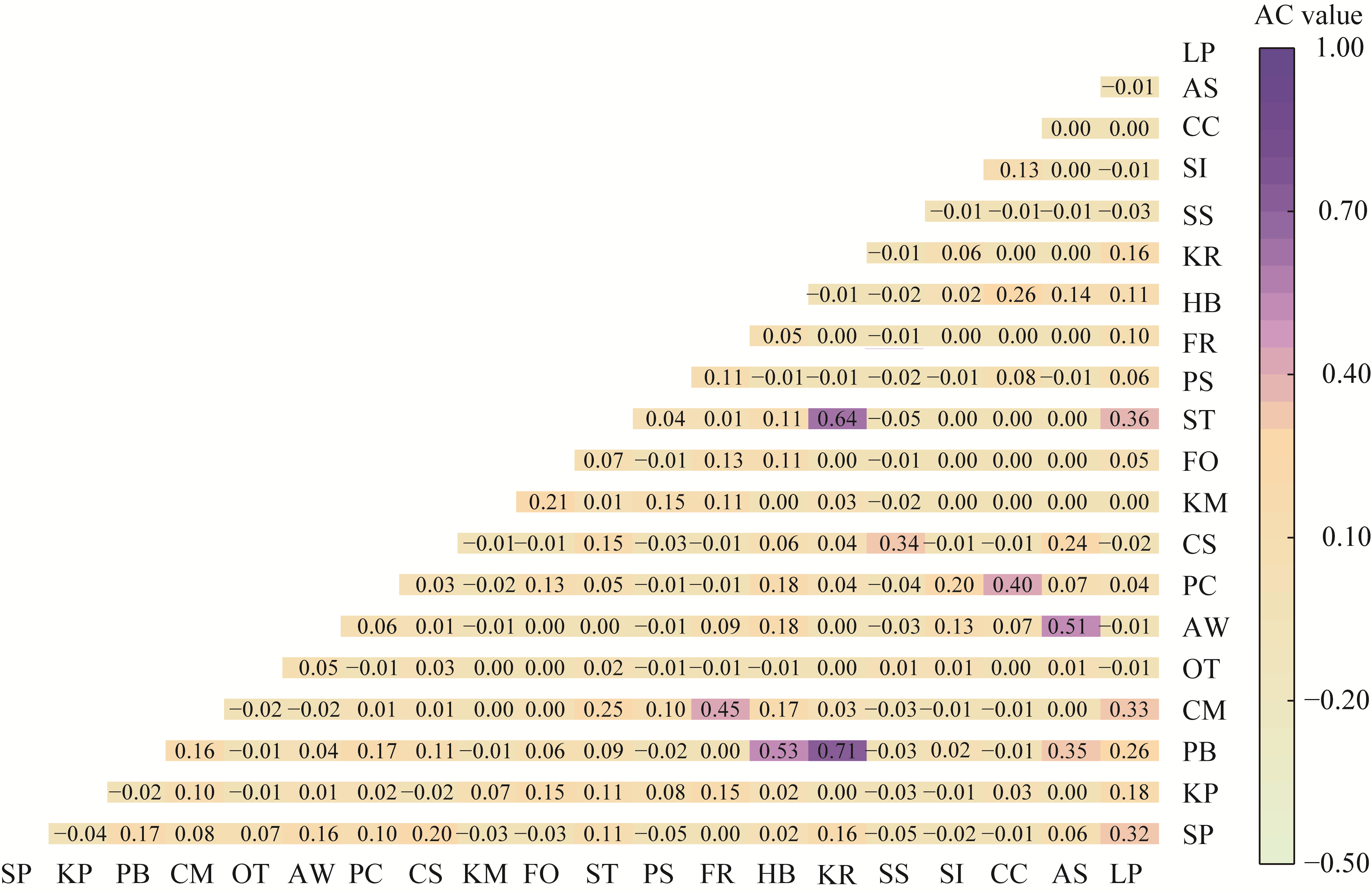
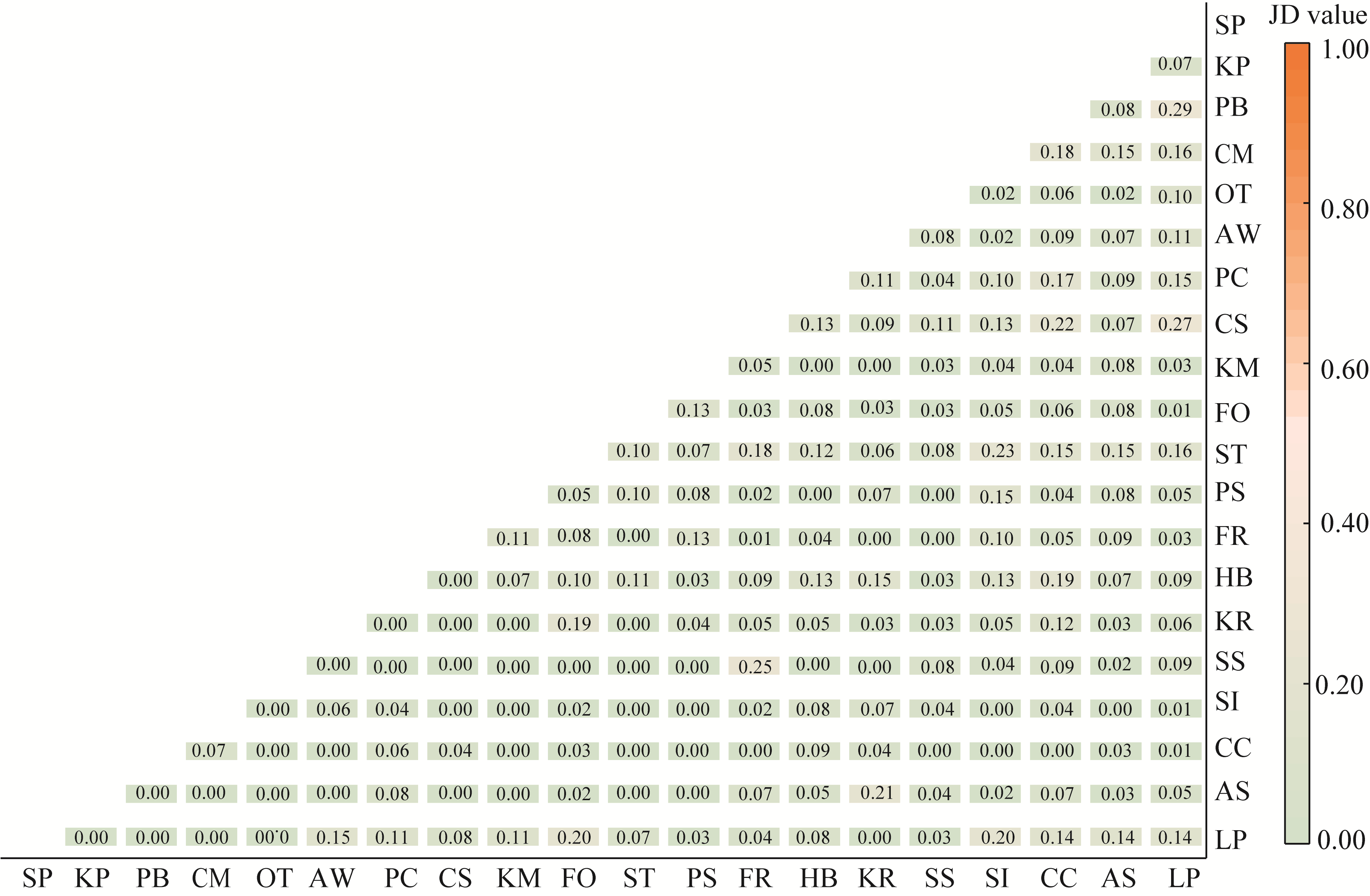
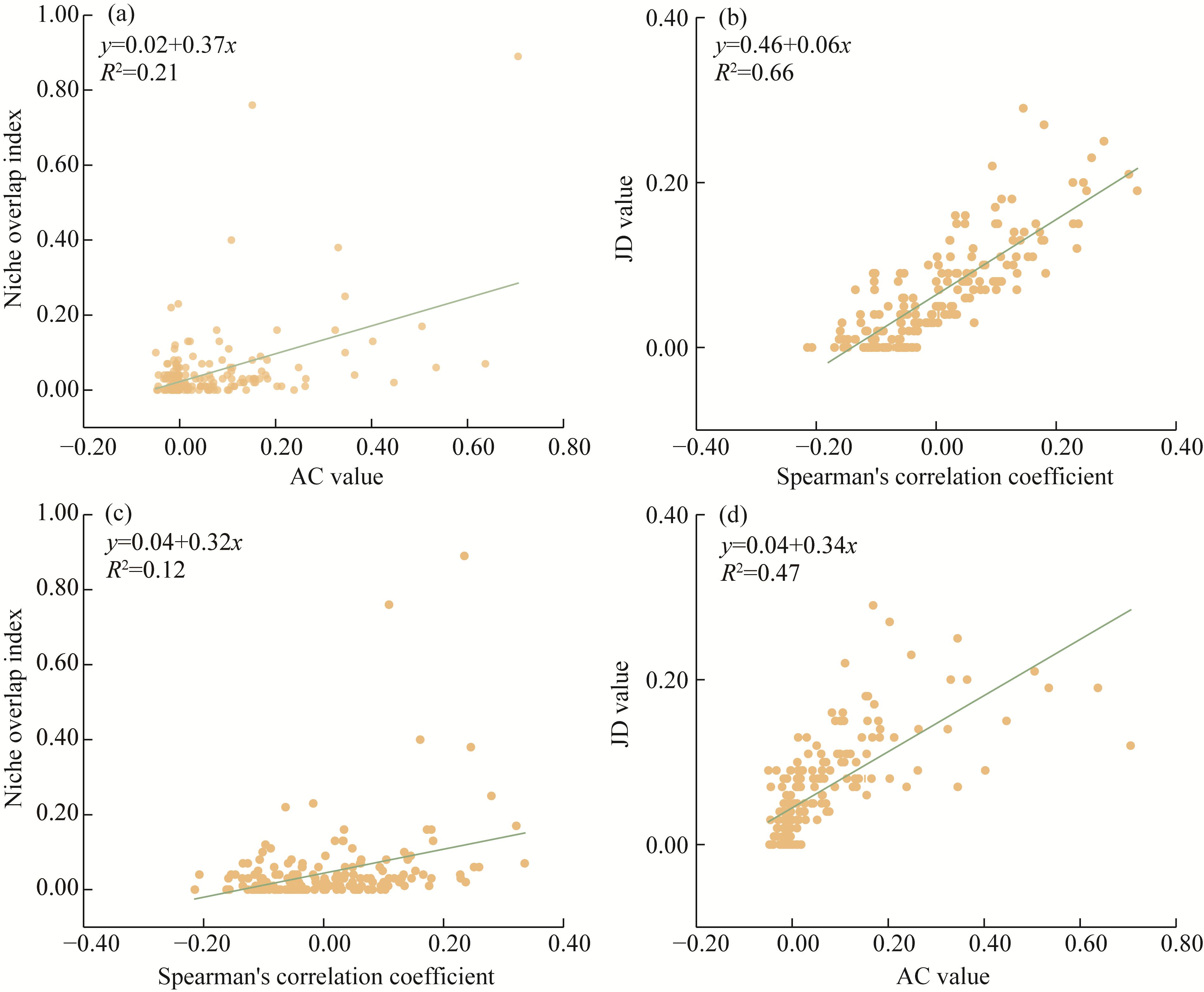
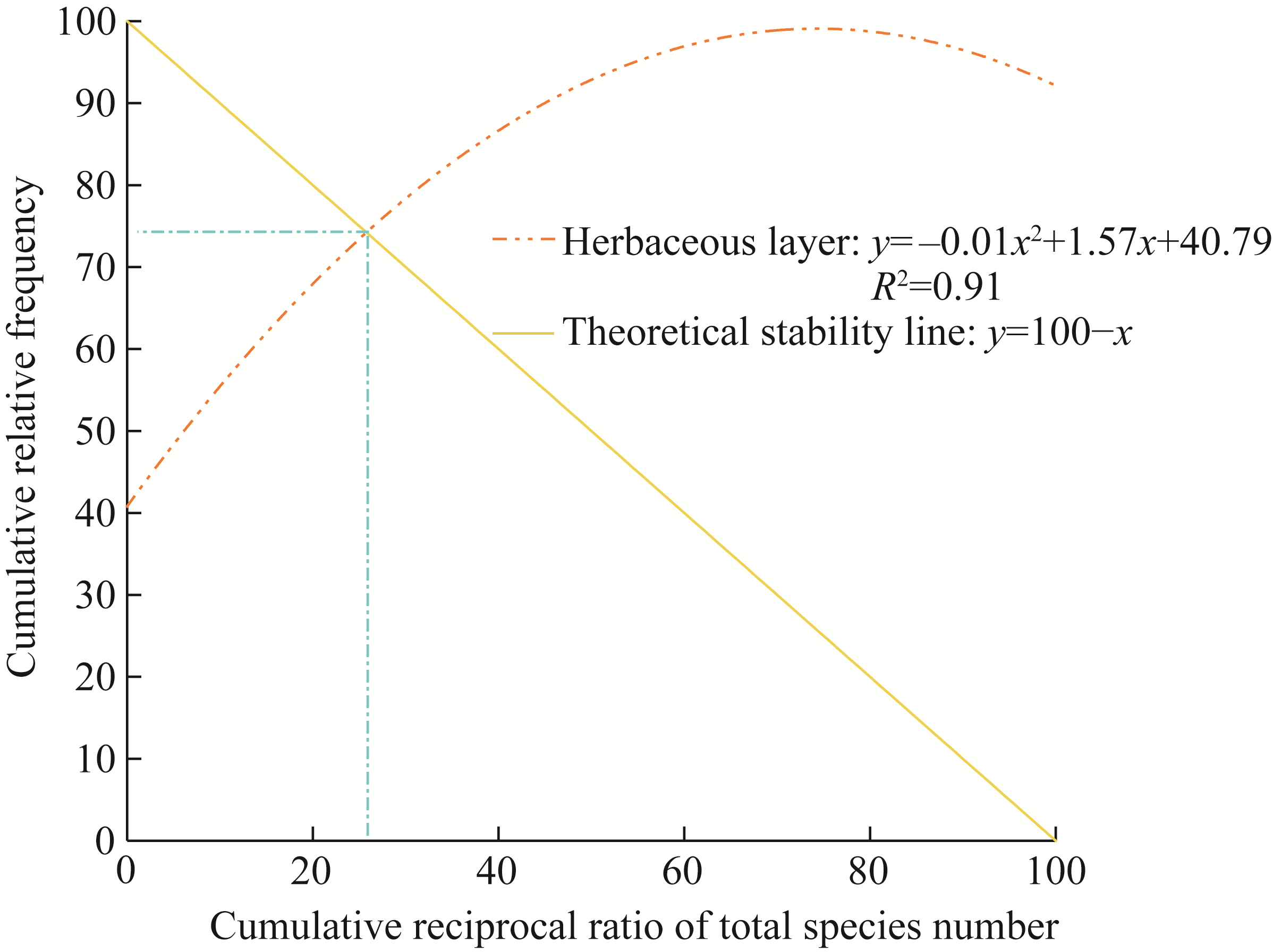
Abstract Global climate change has markedly intensified environmental heterogeneity across plateau ecosystems, thereby imposing stronger environmental stresses on the structure and function of plant communities. Alpine herbaceous plant communities, as a climate-sensitive component, can rapidly reflect ecosystem responses to external environmental fluctuations. Their resource-use strategies, interspecific interactions, and mechanisms maintaining community stability are fundamental to understanding the adaptive processes of alpine ecosystems. Therefore, we selected the alpine desert of northwestern Qinghai-Xizang Plateau, China as the study area and conducted vegetation surveys from June to August 2024, encompassing 7 counties, 173 plots, and 519 quadrats. We analyzed patterns of niche overlap and differentiation, interspecific association types, and assessed the current state of community stability under extremely cold and arid conditions. The results revealed significant differentiation in niche breadth among dominant species, with Stipa purpurea Griseb identified as a broad-niche dominant species, whereas species such as Kobresia pygmaea (C. B. Clarke) C. B. Clarke exhibited narrow-niche specialization strategies. The mean community niche overlap index was 0.06, and the mean niche similarity index was 0.03, indicating a high degree of resource-use differentiation among species. Interspecific associations were predominantly weakly positive, and the community as a whole exhibited a significantly positive network structure, with a significant positive:negative associations ratio of 2.2:1.0. This pattern indicated that a community structure was dominated by facilitative interactions with markedly weakened competitive interactions. The intersection point in the stability model suggests that the system is currently in a stable state, characterized by low niche overlap, low similarity, and overall positive associations. Considering the high sensitivity of alpine desert ecosystems on the Qinghai-Xizang Plateau to climate change and anthropogenic disturbance, we recommend prioritizing the introduction of broad-niche dominant species such as S. purpurea to enhance resource-use diversity and structural resilience, thereby proactively strengthening the ecosystem's resistance to disturbance while maintaining its existing stability. These findings provide a scientific basis for elucidating the adaptive strategies of alpine desert ecosystems to climate change and for optimizing ecological conservation and restoration frameworks.
|
|
Received: 29 June 2025
Published: 31 May 2026
|
|
Corresponding Authors:
*QU Xingle (E-mail: 13889049742@163.com)
|
| About author: Author contributions
Conceptualization: FU Benyi, YANG Wei, QU Xingle; Formal analysis and investigation: FU Benyi, YANG Wei, SILANG Cixi; Methodology: QU Xingle, FU Benyi, SUN Xueting, HE Wenhui; Writing - original draft preparation: FU Benyi; Writing - review and editing: LUO Daqing, QU Xingle, FU Benyi, YANG Wei; Resources: QU Xingle, LUO Daqing; Funding acquisition: LUO Daqing, QU Xingle; Supervision: FU Benyi. All authors approved the manuscript.
|
| Cite this article:
FU Benyi, YANG Wei, SILANG Cixi, SUN Xueting, HE Wenhui, LUO Daqing, QU Xingle. Niche characteristics, interspecific associations, and community stability of herbaceous layer in the alpine desert of northwestern Qinghai-Xizang Plateau, China. Journal of Arid Land, 2026, 18(5): 833-850.
URL:
http://jal.xjegi.com/10.1016/j.jaridl.2026.05.006 OR http://jal.xjegi.com/Y2026/V18/I5/833
|
|
|
| [1] |
An S, Chen X Q, Shen M G, et al. 2022. Increasing interspecific difference of alpine herb phenology on the eastern Qinghai-Tibet Plateau. Frontiers in Plant Science, 13: 844971, doi: 10.3389/fpls.2022.844971.
|
|
|
| [2] |
Armas C, Kikvidze Z, Pugnaire F I. 2009. Abiotic conditions, neighbour interactions, and the distribution of Stipa tenacissima in a semiarid mountain range. Journal of Arid Environments, 73(11): 1084-1089.
doi: 10.1016/j.jaridenv.2009.06.012
|
|
|
| [3] |
Bascompte J. 2009. Disentangling the web of life. Science, 325(5939): 416-419.
doi: 10.1126/science.1170749
pmid: 19628856
|
|
|
| [4] |
Brooker R W, Maestre F T, Callaway R M, et al. 2008. Facilitation in plant communities: The past, the present, and the future. Journal of Ecology, 96(1): 18-34.
doi: 10.1111/jec.2008.96.issue-1
|
|
|
| [5] |
Büchi L, Vuilleumier S. 2014. Coexistence of specialist and generalist species is shaped by dispersal and environmental factors. The American Naturalist, 183(5): 612-624.
doi: 10.1086/675756
pmid: 24739194
|
|
|
| [6] |
Callaway R M, Brooker R W, Choler P, et al. 2002. Positive interactions among alpine plants increase with stress. Nature, 417(6891): 844-848.
doi: 10.1038/nature00812
|
|
|
| [7] |
Carboni M, Zelený D, Acosta A T R. 2016. Measuring ecological specialization along a natural stress gradient using a set of complementary niche breadth indices. Journal of Vegetation Science, 27(2): 295-306.
doi: 10.1111/jvs.2016.27.issue-2
|
|
|
| [8] |
Carscadden K A, Emery N C, Arnillas C A, et al. 2020. Niche breadth: Causes and consequences for ecology, evolution, and conservation. The Quarterly Review of Biology, 95(3): 179-214.
doi: 10.1086/710388
|
|
|
| [9] |
Chase J M, Myers J A. 2011. Disentangling the importance of ecological niches from stochastic processes across scales. Philosophical Transactions of the Royal Society B: Biological Sciences, 366(1576): 2351-2363.
doi: 10.1098/rstb.2011.0063
|
|
|
| [10] |
Chen H, Zhu Q, Peng C H, et al. 2013. The impacts of climate change and human activities on biogeochemical cycles on the Qinghai-Tibetan Plateau. Global Change Biology, 19(10): 2940-2955.
doi: 10.1111/gcb.12277
pmid: 23744573
|
|
|
| [11] |
Cheng C G, Zhang J H, Li M X, et al. 2024. Vertical structural complexity of plant communities represents the combined effects of resource acquisition and environmental stress on the Tibetan Plateau. Communications Biology, 7: 395, doi: 10.1038/s42003-024-06076-x.
pmid: 38561417
|
|
|
| [12] |
Chesson P, Huntly N. 1997. The roles of harsh and fluctuating conditions in the dynamics of ecological communities. The American Naturalist, 150(5): 519-553.
doi: 10.1086/286080
|
|
|
| [13] |
Davies T J.2021. Ecophylogenetics redux. Ecology Letters, 24(5): 1073-1088.
doi: 10.1111/ele.13682
pmid: 33565697
|
|
|
| [14] |
Dehling D M, Bender I M A, Blendinger P G, et al. 2021. Specialists and generalists fulfil important and complementary functional roles in ecological processes. Functional Ecology, 35(8): 1810-1821.
doi: 10.1111/fec.v35.8
|
|
|
| [15] |
Du X Y, Zhang J, Liu J H, et al. 2024. Effects of heavy grazing on interspecific relationships at different spatial scales in desert steppe of China. Sustainability, 16(22): 10059, doi: 10.3390/su162210059.
|
|
|
| [16] |
Fan B L, Westerband A C, Wright I J, et al. 2024. Shifts in plant resource use strategies across climate and soil gradients in dryland steppe communities. Plant and Soil, 497: 277-296.
doi: 10.1007/s11104-023-06401-z
|
|
|
| [17] |
Grant K, Kreyling J, Heilmeier H, et al. 2014. Extreme weather events and plant-plant interactions: Shifts between competition and facilitation among grassland species in the face of drought and heavy rainfall. Ecological Research, 29(6): 991-1001.
doi: 10.1007/s11284-014-1187-5
|
|
|
| [18] |
Gross N, Börger L, Soriano-Morales S I, et al. 2013. Uncovering multiscale effects of aridity and biotic interactions on the functional structure of Mediterranean shrublands. Journal of Ecology, 101(3): 637-649.
doi: 10.1111/jec.2013.101.issue-3
|
|
|
| [19] |
He Q, Bertness M D, Altieri A H. 2013. Global shifts towards positive species interactions with increasing environmental stress. Ecology Letters, 16(5): 695-706.
doi: 10.1111/ele.12080
pmid: 23363430
|
|
|
| [20] |
Hu Y, Wang H C, Jia H P, et al. 2022. Ecological niche and interspecific association of plant communities in alpine desertification grasslands: a case study of Qinghai Lake Basin. Plants, 11(20): 2724, doi: 10.3390/plants11202724.
|
|
|
| [21] |
Hutchinson G E.1957. Concluding remarks. Cold Spring Harbor Symposia on Quantitative Biology, 22: 415-427.
doi: 10.1101/SQB.1957.022.01.039
|
|
|
| [22] |
IPCC Intergovernmental Panel on Climate Change. 2021. Climate Change 2021:The Physical Science Basis. Contribution of Working Group I to the Sixth Assessment Report of the Intergovernmental Panel on Climate Change. Cambridge: Cambridge University Press.
|
|
|
| [23] |
Klichowska E, Nobis M. 2017. Stipa pennata subsp. ceynowae (Poaceae, Pooideae), a new taxon from Central Europe. PhytoKeys, 83: 75-92.
doi: 10.3897/phytokeys.83.12797
|
|
|
| [24] |
Kraft N J B, Adler P B, Godoy O, et al. 2015. Community assembly, coexistence, and the environmental filtering metaphor. Functional Ecology, 29(5): 592-599.
doi: 10.1111/fec.2015.29.issue-5
|
|
|
| [25] |
Lei D F, Wang Z J. 2024. Interspecific associations, niche characteristics, and community stability of the main species in Pinus massoniana communities in karst area of central Guizhou. Acta Ecologica Sinica, 44(10): 4353-4367. (in Chinese)
|
|
|
| [26] |
Lei S L, Wang X T, Wang J, et al. 2024. Effect of aridity on the β-diversity of alpine soil potential diazotrophs: Insights into community assembly and co-occurrence patterns. mSystems, 9(1): e01042-23, doi: 10.1128/msystems.01042-23.
|
|
|
| [27] |
Levins R. 1968. Evolution in Changing Environments:Some Theoretical Explorations. Princeton: Princeton University Press, 32-120.
|
|
|
| [28] |
Li W J, LIU S S, LI J H, et al. 2019. Plant traits response to grazing exclusion by fencing assessed via multiple classification approach: A case from a subalpine meadow. Polish Journal of Ecology, 67(1): 3-15.
|
|
|
| [29] |
Lizarraga S V, Varela O, Carilla J. 2025. Altitudinal patterns of plant diversity, cover, and life forms in a warm arid mountain: insights from Sierra de Velasco, Argentina. Journal of Mountain Science, 22(1): 873-887.
doi: 10.1007/s11629-024-9095-9
|
|
|
| [30] |
Luo J F, Deng D Z, Zhang L, et al. 2019. Soil and vegetation conditions changes following the different sand dune restoration measures on the Zoige Plateau. PLoS ONE, 14(5): e0216975, doi: 10.1371/journal.pone.0216975.
|
|
|
| [31] |
Ma K K, Hou Q Q, Xu C L, et al. 2024. Initiation of rest-grazing during soil thawing improves interspecific relationships and stability of plant communities on alpine grassland. Frontiers in Plant Science, 15: 1426626, doi: 10.3389/fpls.2024.1426626.
|
|
|
| [32] |
Maestre F T, Quero J L, Gotelli N J, et al. 2012. Plant species richness and ecosystem multifunctionality in global drylands. Science, 335(6065): 214-218.
doi: 10.1126/science.1215442
pmid: 22246775
|
|
|
| [33] |
Miehe G, Bach K, Miehe S, et al. 2011. Alpine steppe plant communities of the Tibetan highlands. Applied Vegetation Science, 14: 547-560.
doi: 10.1111/avsc.2011.14.issue-4
|
|
|
| [34] |
Pianka E R. 1973. The structure of lizard communities. Annual Review of Ecology and Systematics, 4(1): 53-74.
doi: 10.1146/ecolsys.1973.4.issue-1
|
|
|
| [35] |
Ronnenberg K, Wesche K, Hensen I. 2008. Germination ecology of Central Asian Stipa spp.: Differences among species, seed provenances, and the importance of field studies. Plant Ecology, 196(2): 269-280.
doi: 10.1007/s11258-007-9351-4
|
|
|
| [36] |
Schluter D. 1984. A variance test for detecting species associations, with some example applications. Ecology, 65(3): 998-1005.
doi: 10.2307/1938071
|
|
|
| [37] |
Schoener T W. 1974. Resource partitioning in ecological communities. Science, 185(4145): 27-39.
doi: 10.1126/science.185.4145.27
pmid: 17779277
|
|
|
| [38] |
Shen T T, Ju X, Wu, Q, et al. 2025. Adaptability of ecological niches and interspecific relationships of grasshoppers in the desert steppe under different grazing intensities. Global Ecology and Conservation, 59: e03528, doi: 10.1016/j.gecco.2025.e03528.
|
|
|
| [39] |
Silvertown J, Araya Y, Gowing D. 2015. Hydrological niches in terrestrial plant communities: A review. Journal of Ecology, 103(1): 93-108.
doi: 10.1111/jec.2015.103.issue-1
|
|
|
| [40] |
Sun H, Niu Y, Chen Y S, et al. 2014. Survival and reproduction of plant species in the Qinghai-Tibet Plateau. Journal of Systematics and Evolution, 52(3): 378-396.
doi: 10.1111/jse.v52.3
|
|
|
| [41] |
Tao Y, Zhang Y M, Downing A. 2013. Similarity and difference in vegetation structure of three desert shrub communities under the same temperate climate but with different microhabitats. Botanical Studies, 54: 59, doi: 10.1186/1999-3110-54-59.
pmid: 28510895
|
|
|
| [42] |
Tsafack N, Wang X, Xie Y, et al. 2021. Niche overlap and species co-occurrence patterns in carabid communities of the northern Chinese steppes. Ecology and Evolution, 1044: 929-949.
|
|
|
| [43] |
von Felten S, Schmid B. 2008. Complementarity among species in horizontal versus vertical rooting space. Journal of Plant Ecology, 1(1): 33-41.
doi: 10.1093/jpe/rtm006
|
|
|
| [44] |
Wang B S, Peng S L. 1985. Study on measurement techniques of interspecific association in south subtropical evergreen broad-leaved forest: Ⅰ. Discussion and revision of interspecific association measurement methods. Journal of Plant Ecology, 9(4): 274-279. (in Chinese)
|
|
|
| [45] |
Wang L, Gesang Q, Luo J F, et al. 2024. Drivers of plant diversification along an altitudinal gradient in the alpine desert grassland, Northern Tibetan Plateau. Global Ecology and Conservation, 53: e02987, doi: 10.1016/j.gecco.2024.e02987.
|
|
|
| [46] |
Wang L, Du X Y, Liu J H, et al. 2025. Effects of grazing on plant functional groups across spatial scales in Stipa breviflora desert steppe. Frontiers in Plant Science, 16: 1643655, doi: 10.3389/fpls.2025.1643655.
|
|
|
| [47] |
Wang X, Song N P, Yang X G, et al. 2018. Grazing exclusion-induced shifts, the relative importance of environmental filtering, biotic interactions and dispersal limitation in shaping desert steppe communities, northern China. Journal of Arid Land, 10(4): 402-415.
doi: 10.1007/s40333-018-0411-5
|
|
|
| [48] |
Wu S N, Dong S K, Wang Z Y, et al. 2024. Response of species dominance and niche of plant community to wetland degradation along alpine lake riparian. Frontiers in Plant Science, 15: 1352834, doi: 10.3389/fpls.2024.1352834.
|
|
|
| [49] |
Xiang X M, De K J, Lin W S, et al. 2024. The ecological niche characteristics and interspecific associations of plant species in the alpine meadow of the Tibetan Plateau affected plant species diversity. PeerJ, 12: e18526, doi: 10.7717/peerj.18526.
|
|
|
| [50] |
Xu J S, Wang M, Chai Y F, et al. 2015. Study on interspecific associations of herbaceous medicinal plants in the Ziwuling area. Acta Botanica Boreali-Occidentalia Sinica, 35(11): 2307-2314. (in Chinese)
|
|
|
| [51] |
Yang X J, QiangBa K Z, Guo K Y, et al. 2024. Numerical classification and ordination of plant communities in the alpine desert of northwestern Tibet. Chinese Journal of Grassland, 46(12): 44-54. (in Chinese)
|
|
|
| [52] |
Zhang J P, Jia Z Q, Li Q X, et al. 2023. Determine the optimal vegetation type for soil wind erosion prevention and control in the alpine sandy land of the Gonghe Basin on the Qinghai-Tibet Plateau. Forests, 14(12): 2342, doi: 10.3390/f14122342.
|
|
|
| [53] |
Zhang J T. 2018. Quantitative Ecology (3rd ed.). Beijing: Science Press, 212-274. (in Chinese)
|
|
|
| [54] |
Zheng Y, Dong L, Li Z Y, et al. 2019. Phylogenetic structure and formation mechanism of shrub communities in arid and semiarid areas of the Mongolian Plateau. Ecology and Evolution, 9(23): 13320-13331.
doi: 10.1002/ece3.5787
|
|
|
| [55] |
Zheng Y R. 2000. A preliminary study on research methods of forest community stability. Scientia Silvae Sinicae, 36(5): 28-32. (in Chinese)
|
|
|
|
Viewed |
|
|
|
Full text
|
|
|
|
|
Abstract
|
|
|
|
|
Cited |
|
|
|
|
| |
Shared |
|
|
|
|
| |
Discussed |
|
|
|
|