| Research article |
|


|
|
|
| Anthropogenic activities amplify spatiotemporal variations in regional ecological security patterns dominated by natural factors: Evidence from the West Liaohe River Basin, China |
LYU Xin1, LI Xiaobing1,2,*( ), WANG Kai1, CAO Wanyu1, ZHANG Chenhao1 ), WANG Kai1, CAO Wanyu1, ZHANG Chenhao1 |
1 State Key Laboratory of Earth Surface Processes and Disaster Risk Reduction, Faculty of Geographical Science, Beijing Normal University, Beijing 100875, China
2 School of Geography and Tourism, Shaanxi Normal University, Xi'an 710119, China |
|
|
|
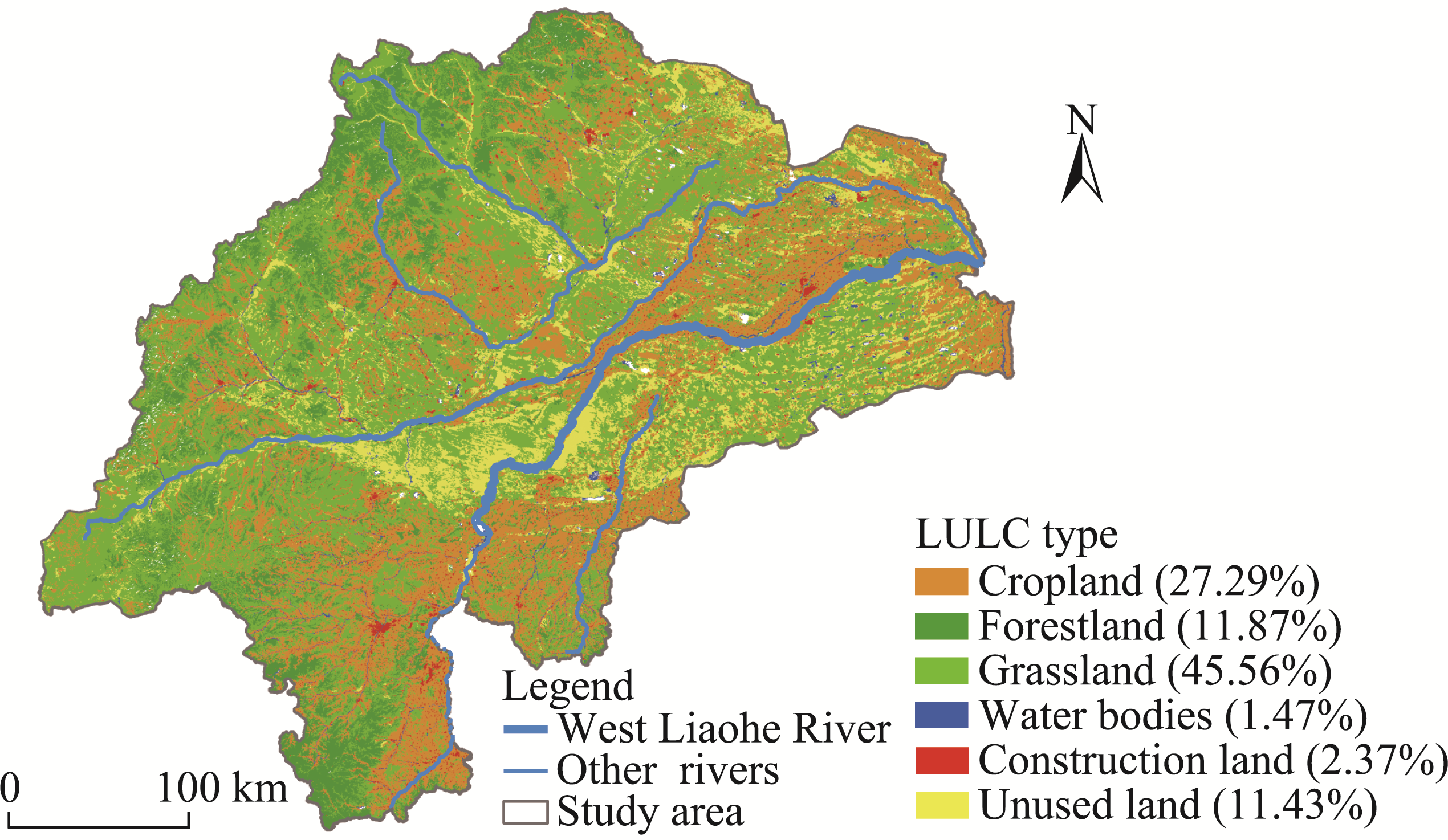
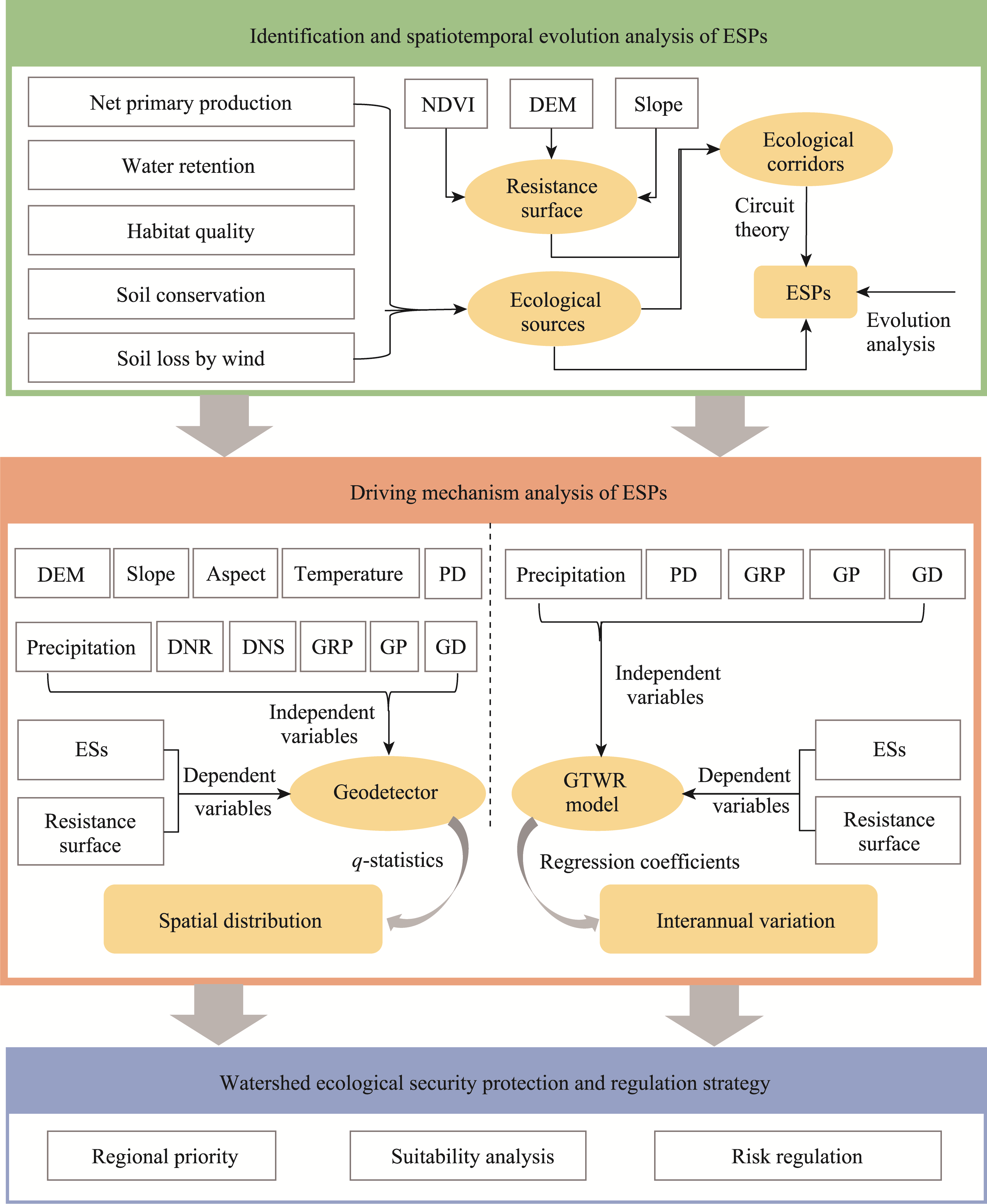
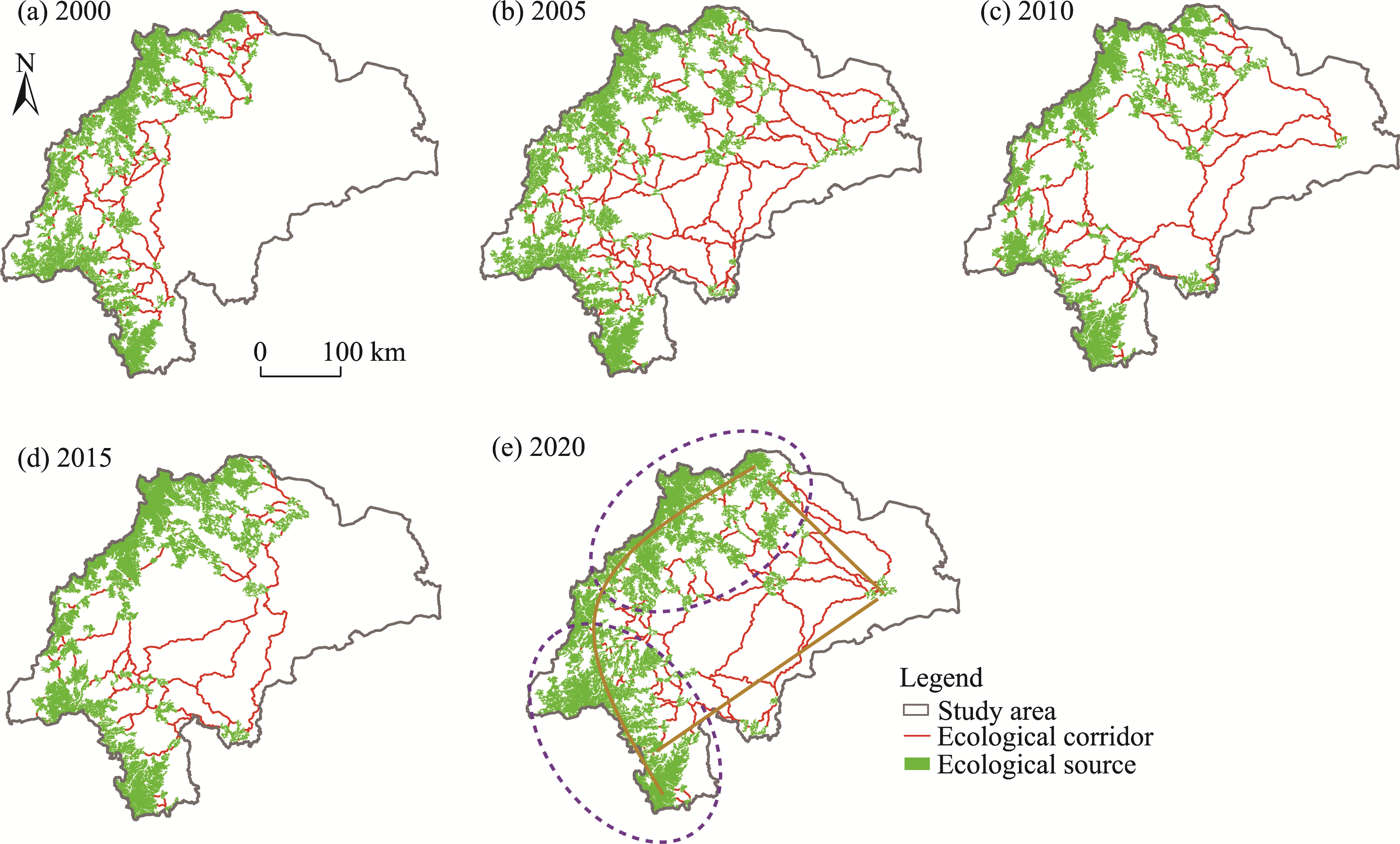
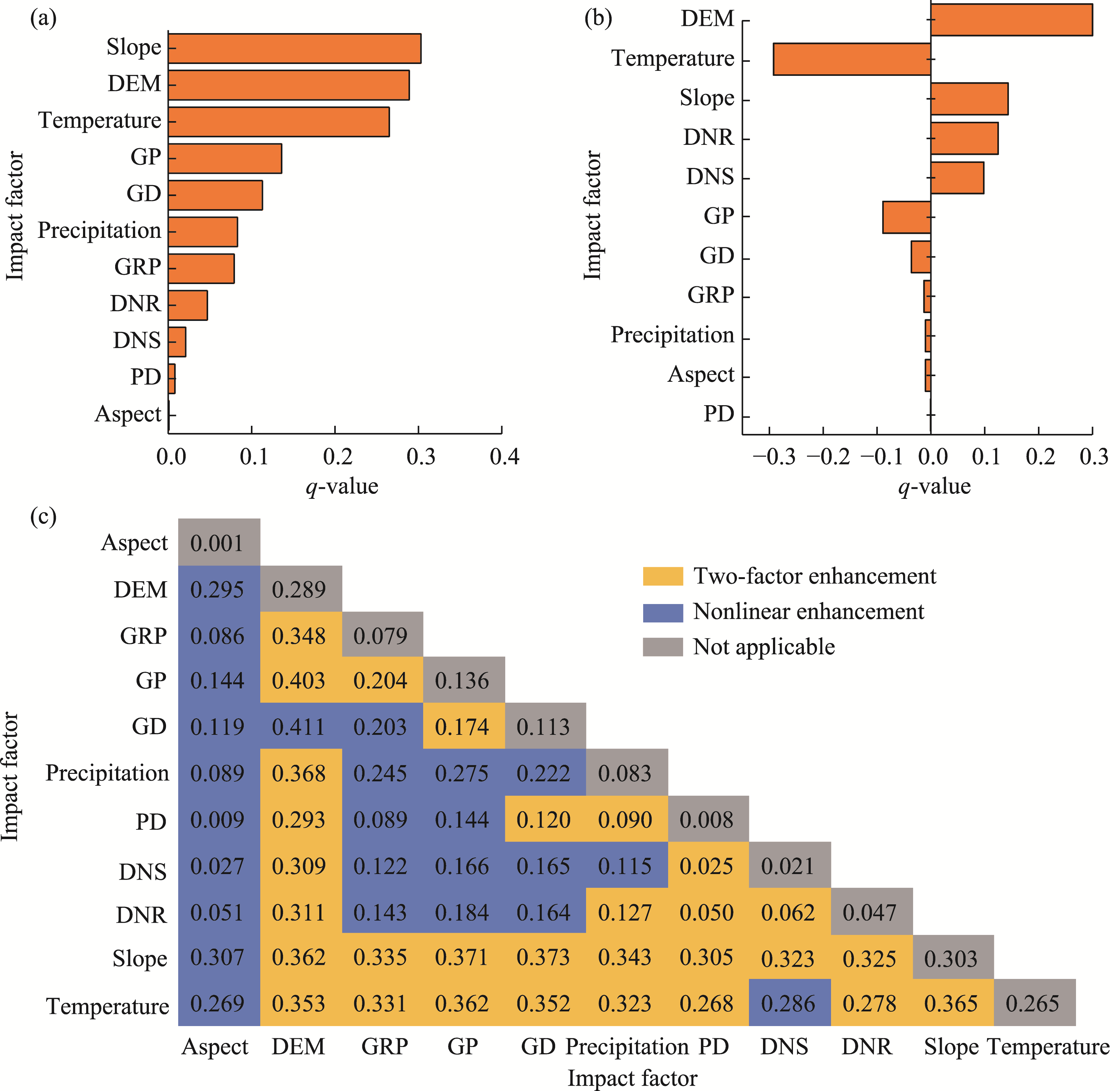
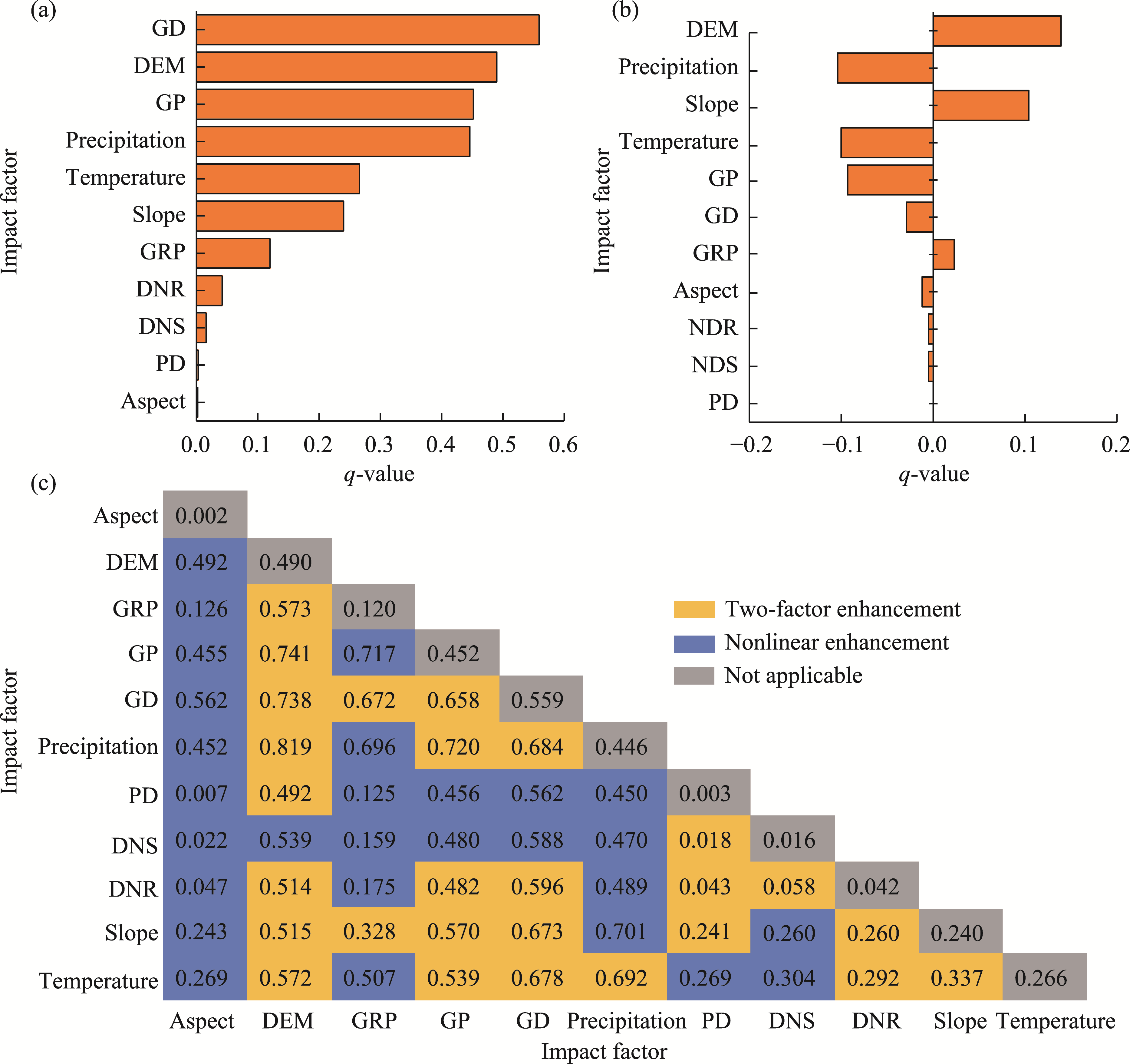
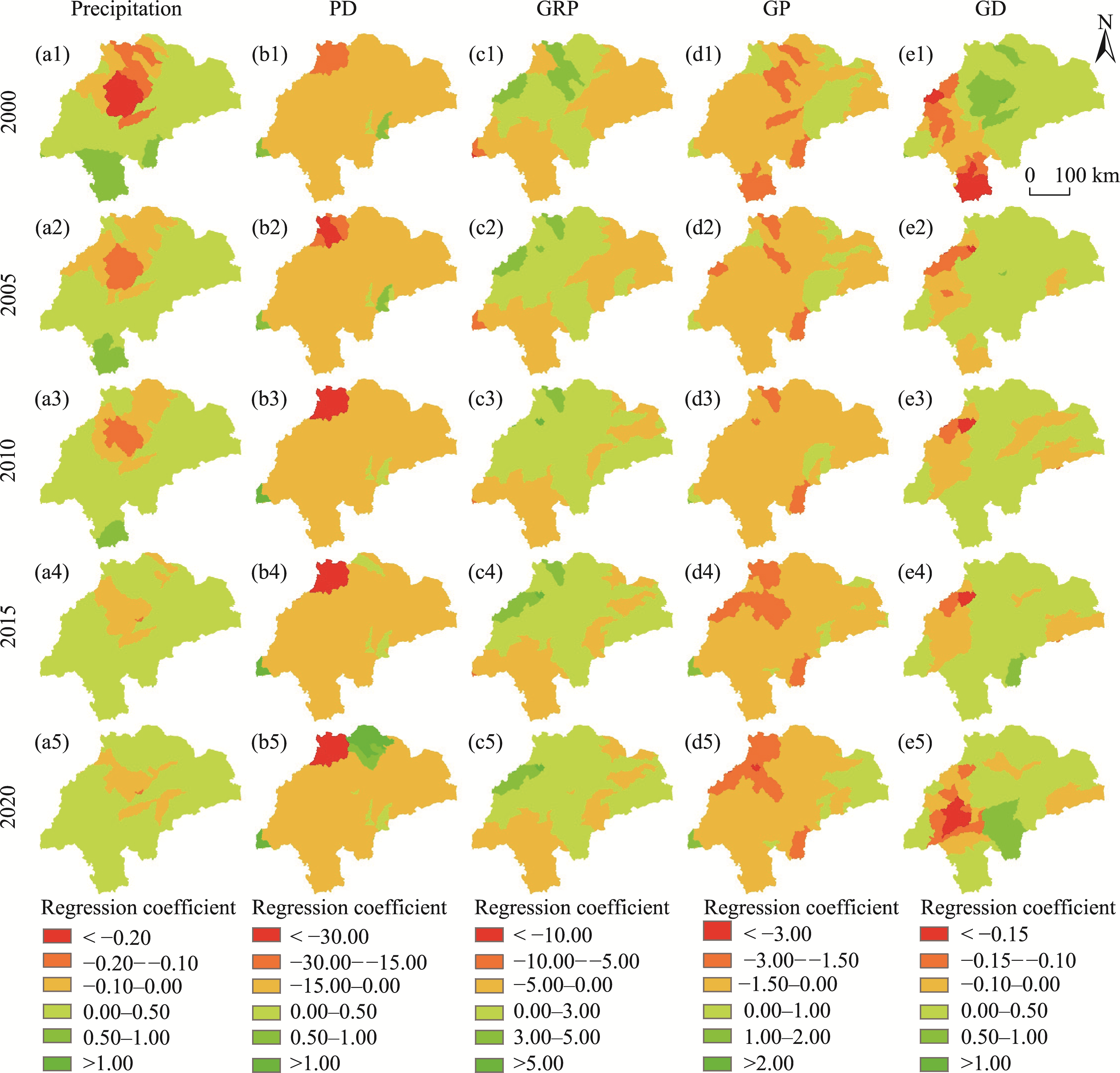
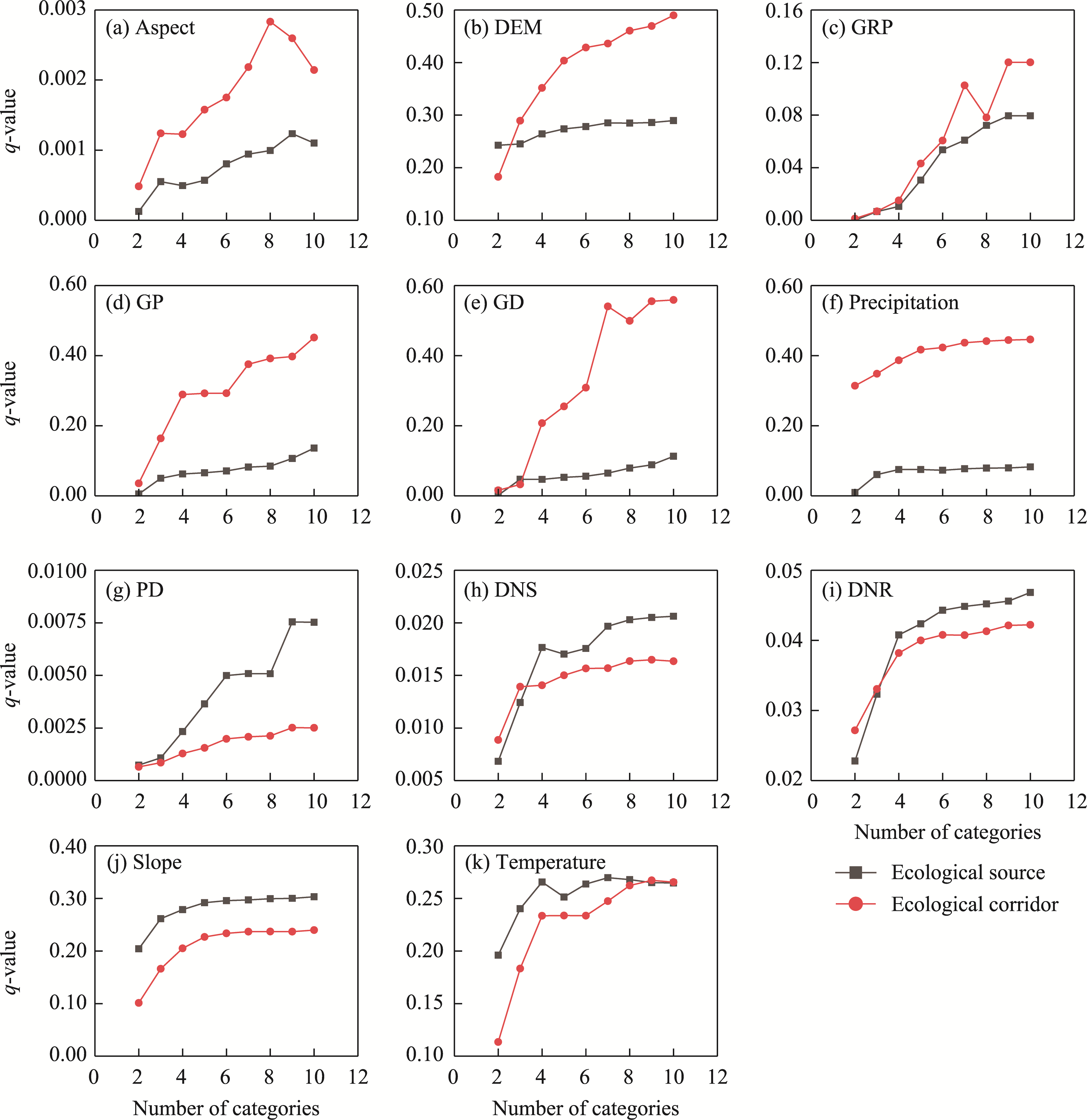
Abstract Ecological security patterns (ESPs) represent an effective way to maintain regional ecological security and promote regional sustainable development. This study investigated the spatiotemporal variations of ESPs in the West Liaohe River Basin (WLRB), China during 2000-2020 on the basis of five key ecosystem services (net primary production, soil conservation, habitat quality, water retention, and soil loss by wind). On the basis of the Geodetector model, we initially measured the explanatory rates of various natural and anthropogenic factors on the spatial differentiation of ecological sources and ecological corridors. The Geographically and Temporally Weighted Regression (GTWR) model was subsequently used to elucidate the driving mechanism of ESPs at the interannual scale. During 2000-2020, a "fan-shaped" ESP of "two zones, three belts, and many branches" formed in the WLRB. Natural factors dominated the spatial distribution of ESPs, and the average spatial explanation rate for ecological sources and ecological corridors was 23.86%, which was higher than that of anthropogenic activities (13.29%). However, anthropogenic activities amplified the spatiotemporal variations in ESPs. On this basis, this study proposed an ecological security protection and regulation strategy from three aspects, namely, regional priority, suitability analysis, and risk regulation, which might provide a working direction for regional practical management. This study extends the paradigm of ESP research and offers an important theoretical basis for regional ecological security, from "passive management" to "active management".
|
|
Received: 02 July 2025
Published: 31 May 2026
|
|
Corresponding Authors:
*LI Xiaobing (E-mail: xbli@bnu.edu.cn)
|
| About author: Author contributions
Conceptualization: LYU Xin; Methodology: LYU Xin; Formal analysis: LYU Xin, WANG Kai; Writing - original draft preparation: LYU Xin, WANG Kai; Writing - review and editing: LYU Xin, LI Xiaobing, WANG Kai, CAO Wanyu, ZHANG Chenhao; Funding acquisition: LYU Xin, LI Xiaobing; Resources: LI Xiaobing; Supervision: LI Xiaobing. All authors approved the manuscript.
|
|
|
| [1] |
Bureau of Statistics of Chifeng City.2001-2021. Chifeng Statistical Yearbook. Beijing: China Statistics Press. (in Chinese)
|
|
|
| [2] |
Bureau of Statistics of Tongliao City.2001-2021. Tongliao Statistical Yearbook. Beijing: China Statistics Press. (in Chinese)
|
|
|
| [3] |
Cen X H, Zhang H. 2024. Impacts of multi-scenario land use change on ecosystem services and ecological security pattern: A case study of the Yellow River Delta. Research in Cold and Arid Regions, 16(1): 30-44.
doi: 10.1016/j.rcar.2024.03.003
|
|
|
| [4] |
Chen D, Guo K Y, Zeng W, et al. 2023. Study on the spatial-temporal patterns and evolution characteristics of ecological security based on dynamic evaluation in the Three Gorges Reservoir Area. Ecological Indicators, 151: 110297, doi: 10.1016/j.ecolind.2023.110297.
|
|
|
| [5] |
Chen J, Wang S S, Zou Y T. 2022. Construction of an ecological security pattern based on ecosystem sensitivity and the importance of ecological services: A case study of the Guanzhong Plain urban agglomeration, China. Ecological Indicators, 136: 108688, doi: 10.1016/j.ecolind.2022.108688.
|
|
|
| [6] |
Fan F F, Wen X J, Feng Z M, et al. 2022. Optimizing urban ecological space based on the scenario of ecological security patterns: The case of central Wuhan, China. Applied Geography, 138: 102619, doi: 10.1016/j.apgeog.2021.102619.
|
|
|
| [7] |
Feng Z H, Xu C J, Zuo Y P, et al. 2023. Analysis of water quality indexes and their relationships with vegetation using self-organizing map and geographically and temporally weighted regression. Environmental Research, 216: 114587, doi: 10.1016/j.envres.2022.114587.
|
|
|
| [8] |
Feng Z M, Yang L, Yang Y Z. 2014. Temporal and spatial distribution patterns of grain crops in the West Liaohe River Basin. Journal of Resources and Ecology, 5(2): 244-252. (in Chinese)
doi: 10.5814/j.issn.1674-764X.2014.03.007
|
|
|
| [9] |
Fryrear D W, Chen W, Lester C. 2001. Revised wind erosion equation. Annals of Arid Zone, 40(3): 265-279.
|
|
|
| [10] |
Gao M W, Hu Y C, Bai Y P. 2022. Construction of ecological security pattern in national land space from the perspective of the community of life in mountain, water, forest, field, lake and grass: A case study in Guangxi Hechi, China. Ecological Indicators, 139: 108867, doi: 10.1016/j.ecolind.2022.108867.
|
|
|
| [11] |
Gou M M, Li L, Ouyang S, et al. 2022. Integrating ecosystem service trade-offs and rocky desertification into ecological security pattern construction in the Daning River basin of southwest China. Ecological Indicators, 138: 108845, doi: 10.1016/j.ecolind.2022.108845.
|
|
|
| [12] |
Guo M, Cong X, Zheng H, et al. 2022. Integrating the ordered weighted averaging method to establish an ecological security pattern for the Jianghuai ecological economic zone in China: Synergistic intraregional development. Ecological Indicators, 135: 108543, doi: 10.1016/j.ecolind.2022.108543.
|
|
|
| [13] |
Hao R F, Yu D Y, Liu Y P, et al. 2017. Impacts of changes in climate and landscape pattern on ecosystem services. Science of The Total Environment, 579: 718-728.
doi: 10.1016/j.scitotenv.2016.11.036
|
|
|
| [14] |
Hasan S S, Zhen L, Miah M G, et al. 2020. Impact of land use change on ecosystem services: A review. Environmental Development, 34: 100527, doi: 10.1016/j.envdev.2020.100527.
|
|
|
| [15] |
Hu M Q, Li C J, Zhou W X, et al. 2022. An improved method of using two-dimensional model to evaluate the carrying capacity of regional water resource in Inner Mongolia of China. Journal of Environmental Management, 313: 114896, doi: 10.1016/j.jenvman.2022.114896.
|
|
|
| [16] |
Huang B B, Lu F, Wang X K, et al. 2023. The impact of ecological restoration on ecosystem services change modulated by drought and rising CO2. Global Change Biology, 29: 5304-5320.
doi: 10.1111/gcb.16825
pmid: 37376714
|
|
|
| [17] |
Jia Q Q, Jiao L M, Lian X H, et al. 2023. Linking supply-demand balance of ecosystem services to identify ecological security patterns in urban agglomerations. Sustainable Cities and Society, 92: 104497, doi: 10.1016/j.scs.2023.104497.
|
|
|
| [18] |
Jiang C, Yang Z Y, Wen M L, et al. 2021. Identifying the spatial disparities and determinants of ecosystem service balance and their implications on land use optimization. Science of The Total Environment, 793: 148472, doi: 10.1016/j.scitotenv.2021.148472.
|
|
|
| [19] |
Jiang H, Zhang Z M, Xu Z H, et al. 2022. Construction of ecological security pattern integrating multiple ecological protection objectives in Guangdong Province. Acta Ecologica Sinica, 42(5): 1981-1992. (in Chinese)
|
|
|
| [20] |
Jiang W, Fu B J, Gao G Y, et al. 2023. Exploring spatial-temporal driving factors for changes in multiple ecosystem services and their relationships in West Liao River Basin, China. Science of The Total Environment, 904: 166716, doi: 10.1016/j.scitotenv.2023.166716.
|
|
|
| [21] |
Kang J M, Zhang X, Zhu X W, et al. 2021. Ecological security pattern: A new idea for balancing regional development and ecological protection. Global Ecology and Conservation, 26: e01472, doi: 10.1016/j.gecco.2021.e01472.
|
|
|
| [22] |
Li L, Huang X J, Wu D F, et al. 2023a. Construction of ecological security pattern adapting to future land use change in Pearl River Delta, China. Applied Geography, 154: 102946, doi: 10.1016/j.apgeog.2023.102946.
|
|
|
| [23] |
Li S C, Xiao W, Zhao Y L, et al. 2020. Incorporating ecological risk index in the multi-process MCRE model to optimize the ecological security pattern in a semi-arid area with intensive coal mining: a case study in northern China. Journal of Cleaner Production, 247: 119143, doi: 10.1016/j.jclepro.2019.119143.
|
|
|
| [24] |
Li S K, Li X B, Gong J R, et al. 2022. Quantitative analysis of natural and anthropogenic factors influencing vegetation NDVI changes in temperate drylands from a spatial stratified heterogeneity perspective: A case study of Inner Mongolia grasslands, China. Remote Sensing, 14(14): 3320, doi: 10.3390/rs14143320.
|
|
|
| [25] |
Li W J, Kang J W, Wang Y. 2023b. Spatiotemporal changes and driving forces of ecological security in the Chengdu-Chongqing urban agglomeration, China: Quantification using health-services-risk framework. Journal of Cleaner Production, 389: 136135, doi: 10.1016/j.jclepro.2023.136135.
|
|
|
| [26] |
Li X B, Lyu X, Dou H S, et al. 2021. Strengthening grazing pressure management to improve grassland ecosystem services. Global Ecology and Conservation, 31: e01782, doi: 10.1016/j.gecco.2021.e01782.
|
|
|
| [27] |
Li Y G, Liu W, Feng Q, et al. 2023c. The role of land use change in affecting ecosystem services and the ecological security pattern of the Hexi Regions, Northwest China. Science of The Total Environment, 855: 158940, doi: 10.1016/j.scitotenv.2022.158940.
|
|
|
| [28] |
Liang J, He X Y, Zeng G M, et al. 2018. Integrating priority areas and ecological corridors into national network for conservation planning in China. Science of The Total Environment, 626: 22-29.
doi: 10.1016/j.scitotenv.2018.01.086
|
|
|
| [29] |
Liu D, Chen J Q, Ouyang Z T. 2020. Responses of landscape structure to the ecological restoration programs in the farming-pastoral ecotone of Northern China. Science of The Total Environment, 710: 136311, doi: 10.1016/j.scitotenv.2019.136311.
|
|
|
| [30] |
Liu D D, Yin Z Y. 2022. Spatial-temporal pattern evolution and mechanism model of tourism ecological security in China. Ecological Indicators, 139: 108933, doi: 10.1016/j.ecolind.2022.108933.
|
|
|
| [31] |
Liu H L, Wang Z L, Zhang L P, et al. 2023. Construction of an ecological security network in the Fenhe River Basin and its temporal and spatial evolution characteristics. Journal of Cleaner Production, 417: 137961, doi: 10.1016/j.jclepro.2023.137961.
|
|
|
| [32] |
Łukawska-Matuszewska K, Urbański J A. 2014. Prediction of near-bottom water salinity in the Baltic Sea using Ordinary Least Squares and Geographically Weighted Regression models. Estuarine, Coastal and Shelf Science, 149: 255-263.
doi: 10.1016/j.ecss.2014.09.003
|
|
|
| [33] |
Lyu X, Li X B, Wang H, et al. 2021. Soil wind erosion evaluation and sustainable management of typical steppe in Inner Mongolia, China. Journal of Environmental Management, 277: 111488, doi: 10.1016/j.jenvman.2020.111488.
|
|
|
| [34] |
Lyu X, Li X B, Wang K, et al. 2022. Linking regional sustainable development goals with ecosystem services to identify ecological security patterns. Land Degradation & Development, 33(18): 3841-3854.
doi: 10.1002/ldr.v33.18
|
|
|
| [35] |
Lyu X, Li X B, Wang K, et al. 2023a. Strengthening grassland carbon source and sink management to enhance its contribution to regional carbon neutrality. Ecological Indicators, 152: 110341, doi: 10.1016/j.ecolind.2023.110341.
|
|
|
| [36] |
Lyu X, Li X B, Wang K, et al. 2023b. Optimizing landscape patterns to maximize ecological-production benefits of water-food relationship: Evidence from the West Liaohe River basin. Land Degradation & Development, 34(11): 3388-3405.
doi: 10.1002/ldr.v34.11
|
|
|
| [37] |
Ma L B, Bo J, Li X Y, et al. 2019. Identifying key landscape pattern indices influencing the ecological security of inland river basin: The middle and lower reaches of Shule River Basin as an example. Science of The Total Environment, 674: 424-438.
doi: 10.1016/j.scitotenv.2019.04.107
|
|
|
| [38] |
Ma S, Wang L J, Wang H Y, et al. 2022. Spatial heterogeneity of ecosystem services in response to landscape patterns under the Grain for Green program: A case-study in Kaihua County, China. Land Degradation & Development, 33(11): 1901-1916.
doi: 10.1002/ldr.v33.11
|
|
|
| [39] |
Pan J H, Liang J, Zhao C C. 2023. Identification and optimization of ecological security pattern in arid inland basin based on ordered weighted average and ant colony algorithm. Ecological Indicators, 154: 110588, doi: 10.1016/j.ecolind.2023.110588.
|
|
|
| [40] |
Peng J, Yang Y, Liu Y X, et al. 2018. Linking ecosystem services and circuit theory to identify ecological security patterns. Science of The Total Environment, 644: 781-790.
doi: 10.1016/j.scitotenv.2018.06.292
|
|
|
| [41] |
Peng J, Tian L, Zhang Z M, et al. 2020. Distinguishing the impacts of land use and climate change on ecosystem services in a karst landscape in China. Ecosystem Services, 46: 101199, doi: 10.1016/j.ecoser.2020.101199.
|
|
|
| [42] |
Peng W F, Zhou J M, Fan S Y, et al. 2016. Effects of the land use change on ecosystem service value in Chengdu, western China from 1978 to 2010. Journal of the Indian Society of Remote Sensing, 44: 197-206.
doi: 10.1007/s12524-015-0481-1
|
|
|
| [43] |
Qiao P W, Yang S C, Lei M, et al. 2019. Quantitative analysis of the factors influencing spatial distribution of soil heavy metals based on geographical detector. Science of The Total Environment, 664: 392-413.
doi: 10.1016/j.scitotenv.2019.01.310
|
|
|
| [44] |
Rawat M, Arunachalam K, Arunachalam A, et al. 2019. Associations of plant functional diversity with carbon accumulation in a temperate forest ecosystem in the Indian Himalayas. Ecological Indicators, 98: 861-868.
doi: 10.1016/j.ecolind.2018.12.005
|
|
|
| [45] |
Renard K G, Foster G R, Weesies G A, et al. 1991. Rusle: Revised universal soil loss equation. Journal of Soil and Water Conservation, 46(1): 30-33.
doi: 10.1080/00224561.1991.12456571
|
|
|
| [46] |
Rukundo E, Liu S L, Dong Y H, et al. 2018. Spatio-temporal dynamics of critical ecosystem services in response to agricultural expansion in Rwanda, East Africa. Ecological Indicators, 89: 696-705.
doi: 10.1016/j.ecolind.2018.02.032
|
|
|
| [47] |
Sharp R, Tallis H T, Ricketts T, et al. 2014. InVEST user's guide. The Natural Capital Project: Stanford, CA, USA.
|
|
|
| [48] |
Shi X H, Zhou F, Wang Z. 2021. Research on optimization of ecological service function and planning control of land resources planning based on ecological protection and restoration. Environmental Technology & Innovation, 24: 101904, doi: 10.1016/j.eti.2021.101904.
|
|
|
| [49] |
Song Y Z, Wang J F, Ge Y, et al. 2020. An optimal parameters-based geographical detector model enhances geographic characteristics of explanatory variables for spatial heterogeneity analysis: cases with different types of spatial data. GIScience & Remote Sensing, 57(5): 593-610.
|
|
|
| [50] |
Su Y, Li T X, Cheng S K, et al. 2020. Spatial distribution exploration and driving factor identification for soil salinisation based on geodetector models in coastal area. Ecological Engineering, 156: 105961, doi: 10.1016/j.ecoleng.2020.105961.
|
|
|
| [51] |
Tian H Z, Wang H, Lyu X, et al. 2024. Construction and optimization of ecological security patterns in Dryland watersheds considering ecosystem services flows. Ecological Indicators, 159: 111664, doi: 10.1016/j.ecolind.2024.111664.
|
|
|
| [52] |
Tong S Q, Li X Q, Zhang J Q, et al. 2019. Spatial and temporal variability in extreme temperature and precipitation events in Inner Mongolia (China) during 1960-2017. Science of The Total Environment, 649: 75-89.
doi: 10.1016/j.scitotenv.2018.08.262
|
|
|
| [53] |
Wang C X, Yu C Y, Chen T Q, et al. 2020. Can the establishment of ecological security patterns improve ecological protection? An example of Nanchang, China. Science of The Total Environment, 740: 140051, doi: 10.1016/j.scitotenv.2020.140051.
|
|
|
| [54] |
Wang J F, Li X H, Christakos G, et al. 2010. Geographical detectors-Based health risk assessment and its application in the neural tube defects study of the Heshun region, China. International Journal of Geographical Information Science, 24(1-2): 107-127.
doi: 10.1080/13658810802443457
|
|
|
| [55] |
Wang J F, Zhang T L, Fu B J. 2016. A measure of spatial stratified heterogeneity. Ecological Indicators, 67: 250-256.
doi: 10.1016/j.ecolind.2016.02.052
|
|
|
| [56] |
Wang Y, Pan J H. 2019. Building ecological security patterns based on ecosystem services value reconstruction in an arid inland basin: A case study in Ganzhou District, NW China. Journal of Cleaner Production, 241: 118337, doi: 10.1016/j.jclepro.2019.118337.
|
|
|
| [57] |
Wang Z Y, Luo K Y, Zhao Y H, et al. 2022. Modelling regional ecological security pattern and restoration priorities after long-term intensive open-pit coal mining. Science of The Total Environment, 835: 155491, doi: 10.1016/j.scitotenv.2022.155491.
|
|
|
| [58] |
Wei Q Q, Halike A, Yao K X, et al. 2022. Construction and optimization of ecological security pattern in Ebinur Lake Basin based on MSPA-MCR models. Ecological Indicators, 138: 108857, doi: 10.1016/j.ecolind.2022.108857.
|
|
|
| [59] |
Wei W, Wang N, Yin L, et al. 2024. Spatio-temporal evolution characteristics and driving mechanisms of Urban-Agricultural-Ecological space in ecologically fragile areas: A case study of the upper reaches of the Yangtze River Economic Belt, China. Land Use Policy, 145: 107282, doi: 10.1016/j.landusepol.2024.107282.
|
|
|
| [60] |
Wei W, Zhang Y L, Wei X X, et al. 2025. Construction and optimization of ecological security patterns based on ecosystem service function and ecosystem sensitivity in the important ecological functional area—A case study in the Yellow River Basin. Ecological Engineering, 215: 107609, doi: 10.1016/j.ecoleng.2025.107609.
|
|
|
| [61] |
Xia H J, Kong W J, Zhou G, et al. 2021. Impacts of landscape patterns on water-related ecosystem services under natural restoration in Liaohe River Reserve, China. Science of The Total Environment, 792: 148290, doi: 10.1016/j.scitotenv.2021.148290.
|
|
|
| [62] |
Xu L, Du H R, Zhang X L. 2021. Driving forces of carbon dioxide emissions in China's cities: An empirical analysis based on the geodetector method. Journal of Cleaner Production, 287: 125169, doi: 10.1016/j.jclepro.2020.125169.
|
|
|
| [63] |
Xu Y, Yang D W, Tang L H, et al. 2023. Exploring the impact of Grain-for-Green Program on trade-offs and synergies among ecosystem services in West Liao River Basin, China. Remote Sensing, 15(10): 2490, doi: 10.3390/rs15102490.
|
|
|
| [64] |
Xu Z H, Peng J, Zhang H B, et al. 2022. Exploring spatial correlations between ecosystem services and sustainable development goals: a regional-scale study from China. Landscape Ecology, 37: 3201-3221.
doi: 10.1007/s10980-022-01542-5
|
|
|
| [65] |
Yang G M, Gui Q Q, Liu J Y, et al. 2023. Spatial-temporal evolution and driving factors of ecological security in China based on DPSIR-DEA model: A case study of the Three Gorges reservoir area. Ecological Indicators, 154: 110777, doi: 10.1016/j.ecolind.2023.110777.
|
|
|
| [66] |
Yuan Y, Bai Z K, Zhang J N, et al. 2022. Increasing urban ecological resilience based on ecological security pattern: A case study in a resource-based city. Ecological Engineering, 175: 106486, doi: 10.1016/j.ecoleng.2021.106486.
|
|
|
| [67] |
Zeng W, Tang H, Liang X, et al. 2023. Using ecological security pattern to identify priority protected areas: A case study in the Wuhan Metropolitan Area, China. Ecological Indicators, 148: 110121, doi: 10.1016/j.ecolind.2023.110121.
|
|
|
| [68] |
Zhang D, Wang X R, Qu L P, et al. 2020. Land use/cover predictions incorporating ecological security for the Yangtze River Delta region, China. Ecological Indicators, 119: 106841, doi: 10.1016/j.ecolind.2020.106841.
|
|
|
| [69] |
Zhang M X, Bao Y B, Xu J, et al. 2021. Ecological security evaluation and ecological regulation approach of East-Liao River basin based on ecological function area. Ecological Indicators, 132: 108255, doi: 10.1016/j.ecolind.2021.108255.
|
|
|
| [70] |
Zhang Y L, Zhao Z Y, Fu B J, et al. 2022a. Identifying ecological security patterns based on the supply, demand and sensitivity of ecosystem service: a case study in the Yellow River Basin, China. Journal of Environmental Management, 315: 115158, doi: 10.1016/j.jenvman.2022.115158.
|
|
|
| [71] |
Zhang Z X, Zhu Z Y, Tang L, et al. 2022b. Donor-side evaluation of the spatiotemporal variation in the rural land natural capital value and its influencing factors: a case study of Chongqing, China. Ecological Indicators, 136: 108640, doi: 10.1016/j.ecolind.2022.108640.
|
|
|
| [72] |
Zhao F, Li H, Li C H, et al. 2019. Analyzing the influence of landscape pattern change on ecological water requirements in an arid/semiarid region of China. Journal of Hydrology, 578: 124098, doi: 10.1016/j.jhydrol.2019.124098.
|
|
|
| [73] |
Zhao Y, He L, Bai W Q, et al. 2024. Prediction of ecological security patterns based on urban expansion: A case study of Chengdu. Ecological Indicators, 158: 111467, doi: 10.1016/j.ecolind.2023.111467.
|
|
|
|
Viewed |
|
|
|
Full text
|
|
|
|
|
Abstract
|
|
|
|
|
Cited |
|
|
|
|
| |
Shared |
|
|
|
|
| |
Discussed |
|
|
|
|